Indigenous Peoples and Community Economies
Strengthening the economies that sustain our territories
Economies that emerge from our territories strengthen food sovereignty, keep traditional knowledge alive, and generate well-being for our communities.
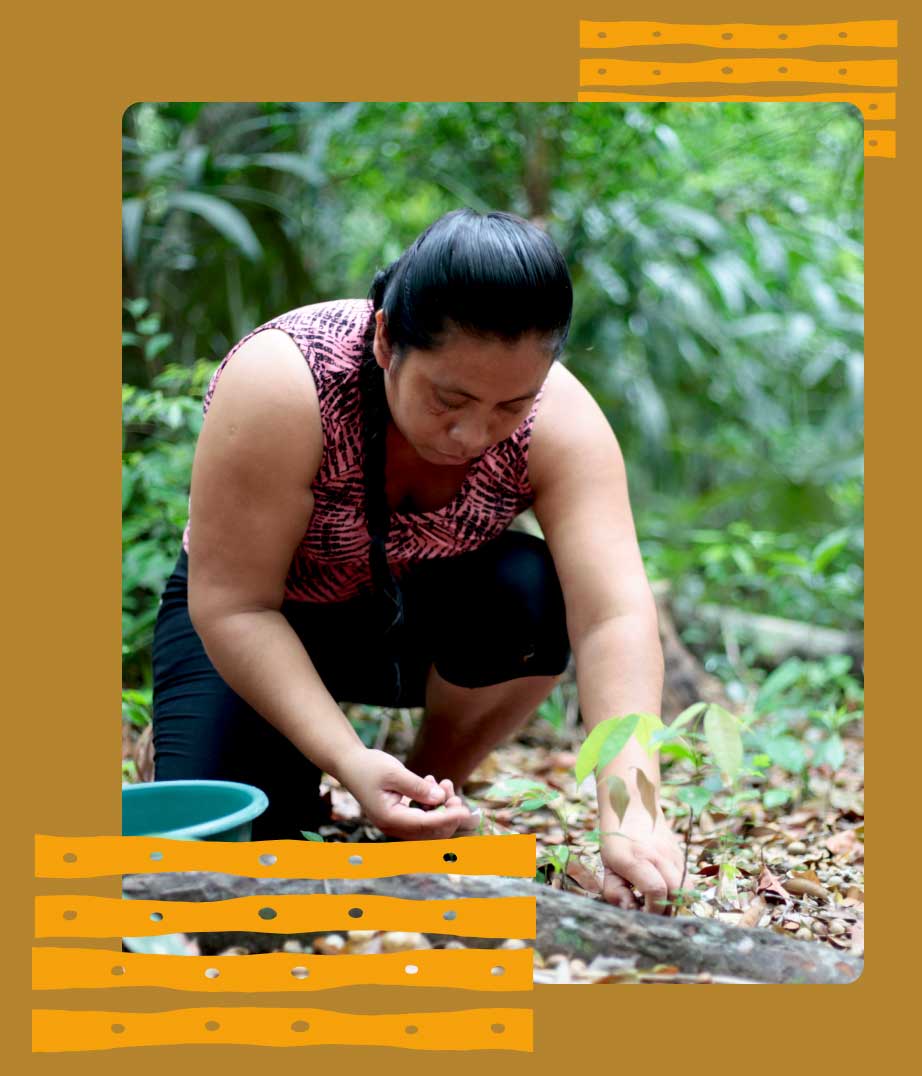
In our territories, the economy is nothing new.
For generations, our communities have produced food, traded goods, preserved seeds, created crafts, provided services, promoted tourism, and launched new economic initiatives right within their own territories.
These economies are intertwined with our identity, culture, ancestral knowledge, community organization, and the unique governance structures of each of our territories around the world.
We are not creating these economies. They already exist. The challenge is to build the conditions so that they can grow stronger, generate greater value, and contribute to the well-being of our territories.
What do we mean by Indigenous Peoples and community-based economies?
The Indigenous Peoples and community economy is not just about producing and selling. It is about generating well-being while continuing to care for what sustains us.
For us, these are inseparable from food sovereignty, governance, and traditional knowledge passed down from generation to generation. They reflect the diversity of our understanding of life and good living.
There is no single model.
Our economies protect life.
For those here today and for those yet to be born.
Economies that sustain our territories
The experiences of our territories show that these economies generate much more than just income.
Food sovereignty
Community-based production enables us to feed families and communities, strengthen our own food systems, and reduce dependence on external products.

Knowledge and culture
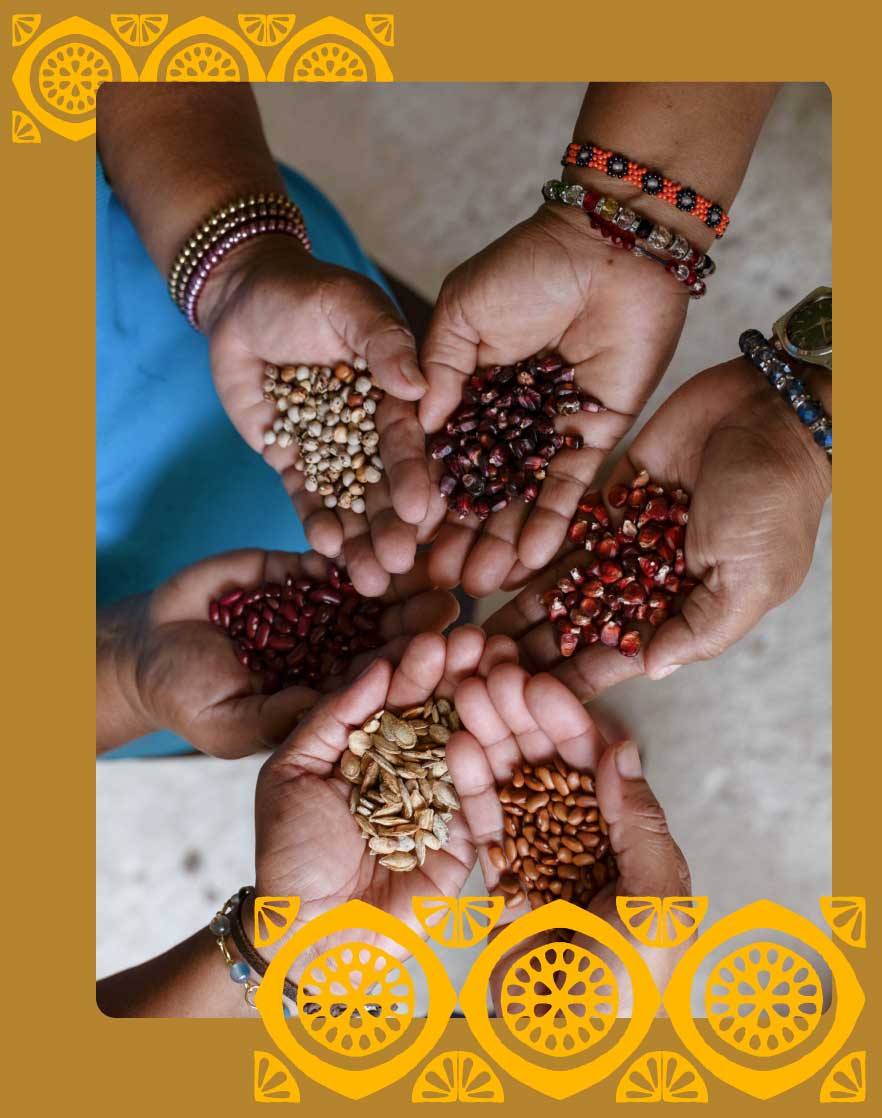
Productive and economic systems keep ancestral knowledge, seeds, cultural practices, and our own ways of relating to the territory alive.
Care for ecosystems
These economies are linked to the management and care of territories and natural resources, recognizing that the well-being of our communities depends on healthy ecosystems.

Value that remains in the territory
Production, processing, exchange, and marketing can generate economic opportunities that help ensure a greater share of the value generated remains in the communities.

Women who sustain and transform
Women are guardians of knowledge and production systems, but they are also creators of new economic and innovative opportunities within their territories.

Youth who receive and transform
New generations maintain a connection to their peoples’ knowledge while creating new ways to start businesses, innovate, and generate economic activity without losing their identity.
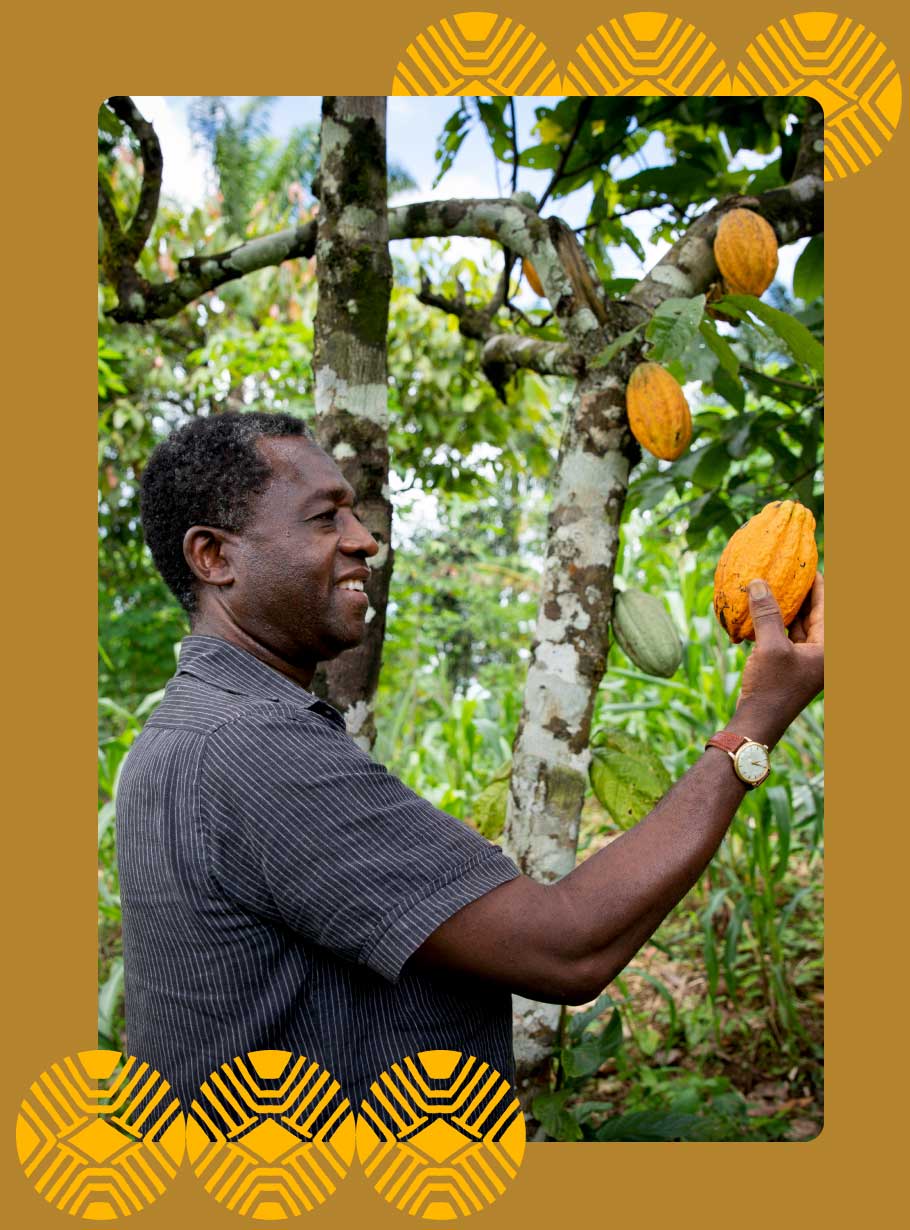
If communities thrive, forests will be preserved. From ancestral knowledge to new opportunities.
Indigenous Peoples and community-based economies demonstrate that tradition and innovation are not opposites.
The experience of the milpa, for example, shows how an ancestral system can conserve seeds, biodiversity, and knowledge, while simultaneously providing food, fostering exchange, and supporting family livelihoods.
Agroecological practices draw on traditional knowledge and adapt it to new challenges. Women transform cultural knowledge and traditional products into new economic ventures. And young people find new ways to start businesses, innovate, and connect their territories with other opportunities.
The knowledge passed down from previous generations can also serve as a foundation for building the future.
What is holding back existing economies?
Our initiatives do not start from the same conditions as large corporations.
Today, they face barriers that limit their ability to grow, access markets, and capture the value they generate.
Access to Financing
Access to direct financing remains one of the main constraints.
These initiatives need working capital and investment for infrastructure, machinery, processing, technology, packaging, and other production needs.
Intermediaries and Market Access
Many initiatives depend on intermediaries and face difficulties reaching markets directly that recognize the value of their products and pay fair prices.
Infrastructure and Logistics
Distance and connectivity challenges increase transportation costs and hinder marketing.
Technical Assistance
There is a need for specialized support to strengthen production, processing, quality, marketing, technology, and management.
Regulations
Many initiatives must comply with regulatory frameworks designed for businesses of a different scale and nature, creating disproportionate barriers for local economies.
We have our own economic model; the challenge is to connect it to a distinct market
Strengthening Indigenous Peoples and community economies does not mean imposing an external economic model. It means recognizing that our territories already have their own ways of producing, exchanging, processing, and generating well-being, and creating the conditions so that these economies can connect with markets that recognize their value and unique characteristics.
This involves strengthening productive capacity when each territory deems it necessary, facilitating access to technology and innovation, improving marketing conditions, and ensuring that a greater share of the value generated remains within the territory.
To make this possible, adequate funding, technical assistance, infrastructure, market access, and public policies that recognize the realities of our territories are required. But one thing is also fundamental: respecting our own forms of organization, governance, and decision-making regarding how we want our economies to develop.
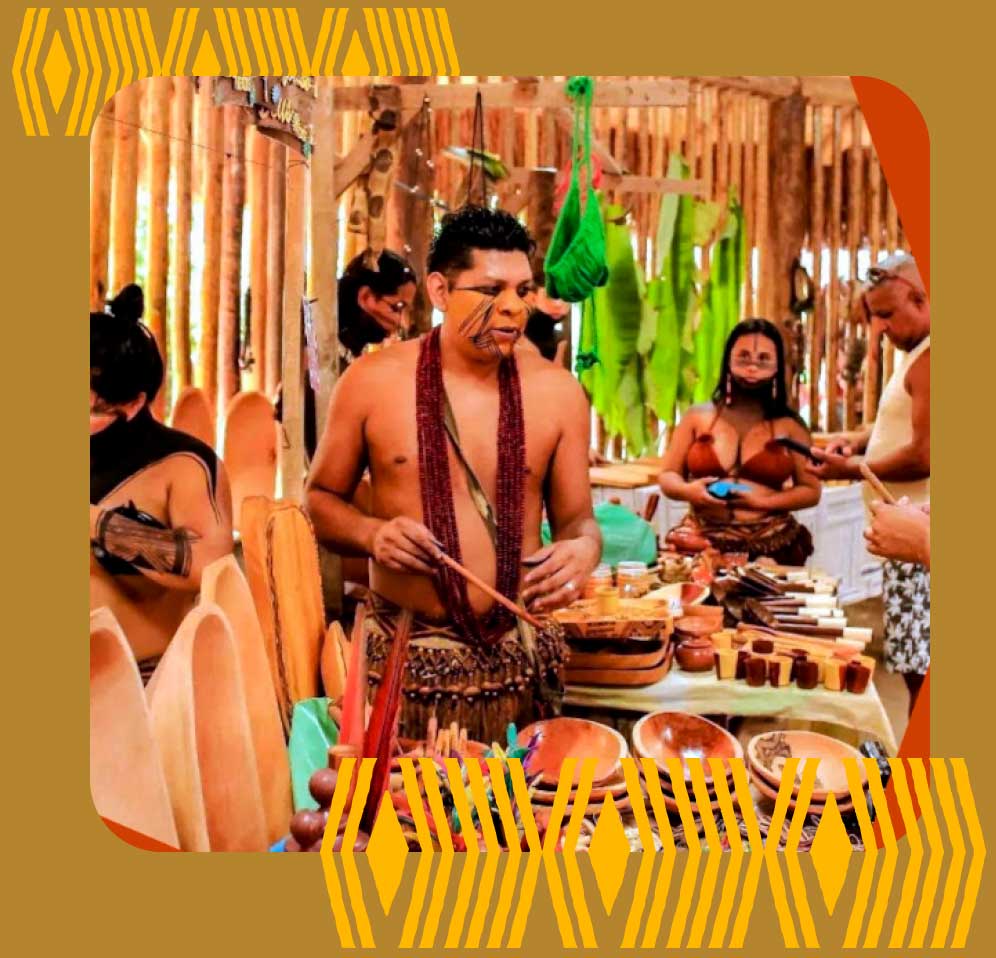
An agenda that connects territories and experiences
The experiences of our territories in Asia, Central Africa, Mesoamerica, Brazil, and the Amazon are diverse, but they reveal a fundamental truth: Indigenous Peoples and community-based economies have the conditions necessary for their development, but they need to be empowered.
Each has its own history, organization, governance, knowledge, needs, and proposals. But the exchange between our territories and experiences allows us to identify common challenges, share solutions, and learn from experiences that have taken different paths.
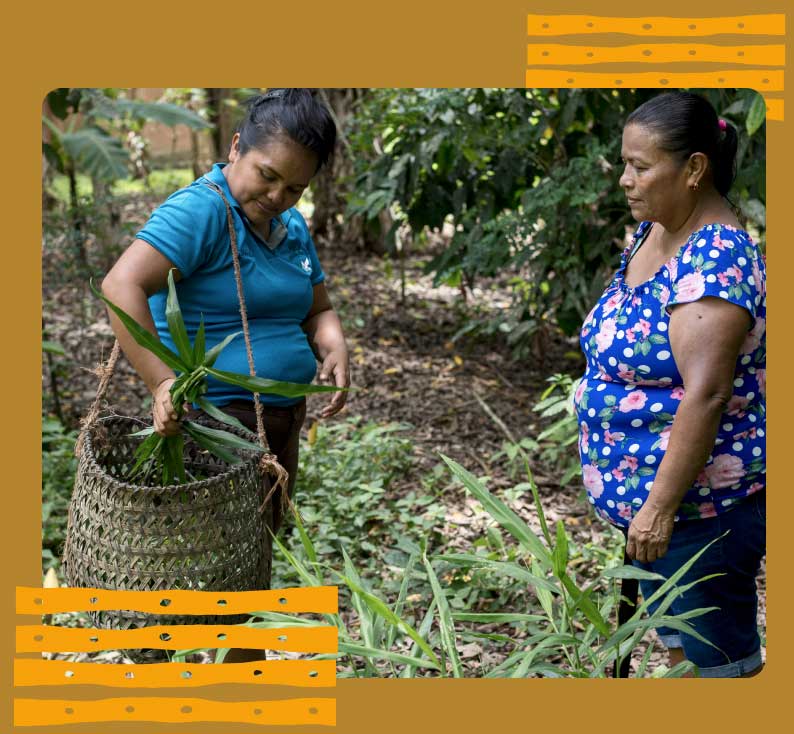
When we share what we have built, we strengthen our collective capacities
That is why we seek to connect the experiences and knowledge of communities so that we can see that there are other ways to understand wealth, generate well-being, and build economies connected to life.
Our Strategy
We work to strengthen Indigenous Peoples and community-based economies from within our territories and at different levels.
Global and National Policy Advocacy
We work to ensure that Indigenous Peoples and community-based economies are recognized in policies, economic strategies, and financial mechanisms.
We seek to promote regulatory frameworks and policies that respond to their actual characteristics and needs.
We want to position these economies in global conversations on climate, biodiversity, food, and development.
A Global Platform for Learning and Collaboration
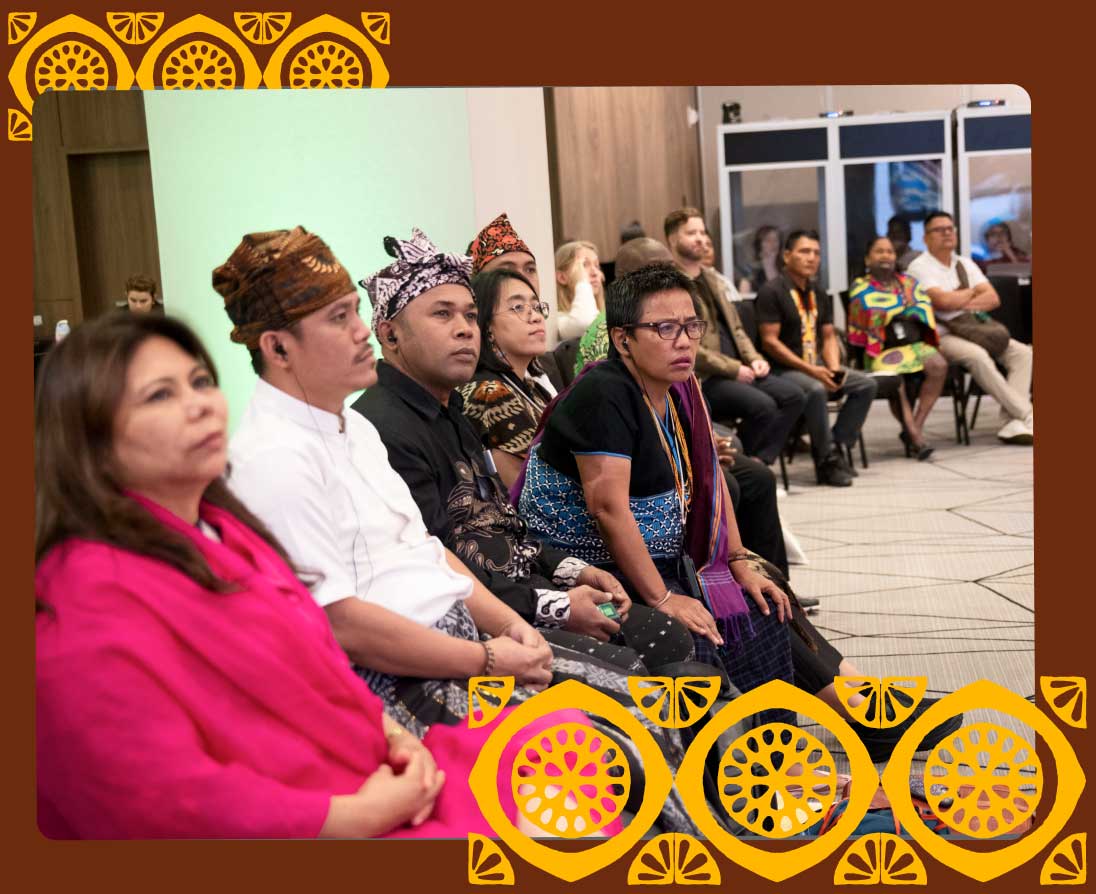
We facilitate exchanges between initiatives and territories to share knowledge, experiences, and solutions.
We seek to connect initiatives with:
- new markets
- funding opportunities
- technical expertise
- partnerships
- innovation and technology
- experiences from other territories.
The goal is to build a network where knowledge also flows between territories.
Incubation and Financing
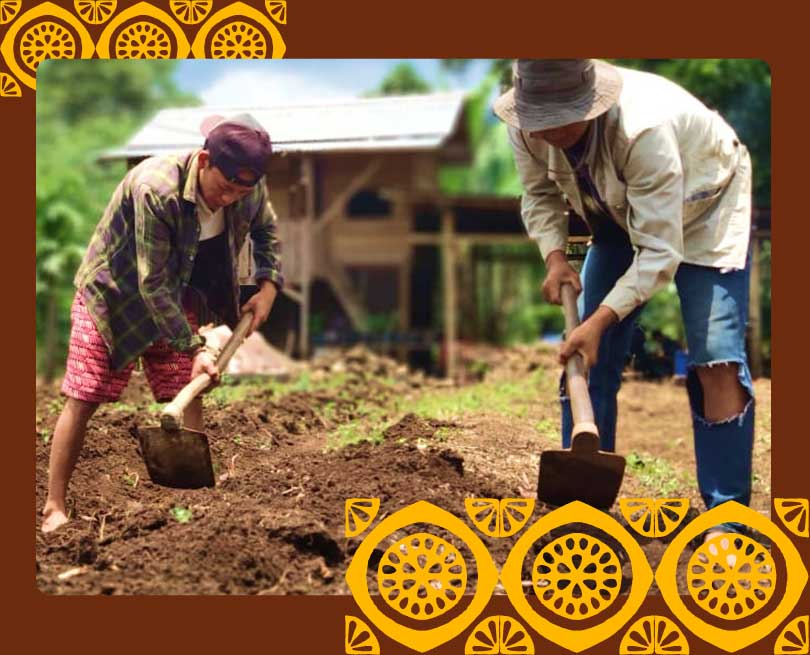
We work to strengthen existing initiatives and support the development of new proposals through incubation processes and financing mechanisms adapted to local realities.
The goal is not to impose external models.
It is to support each territory so that it can build and strengthen its own economic path, if that is what it has decided.
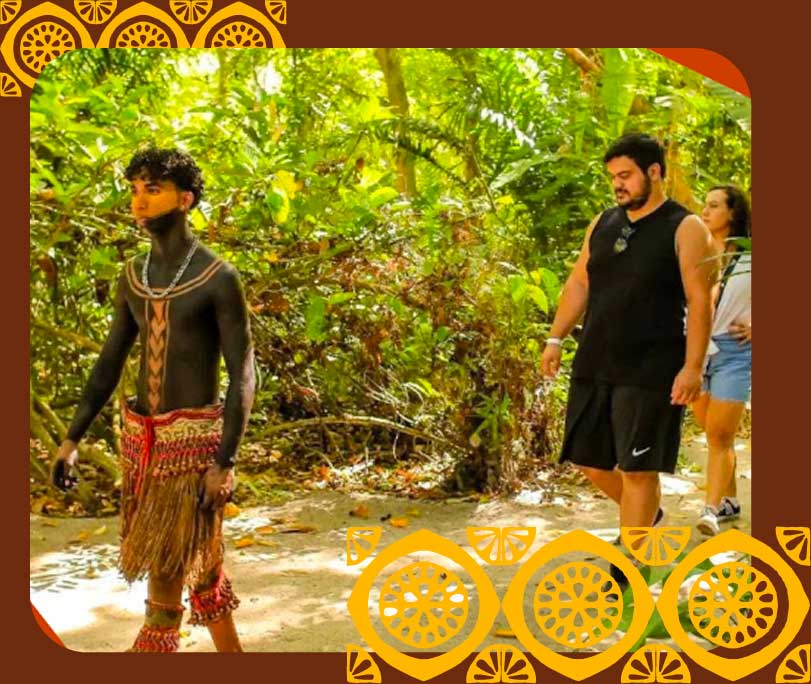
From Recognition to Investment: The Role of Indigenous Peoples and Local Food Systems in the Climate Agenda
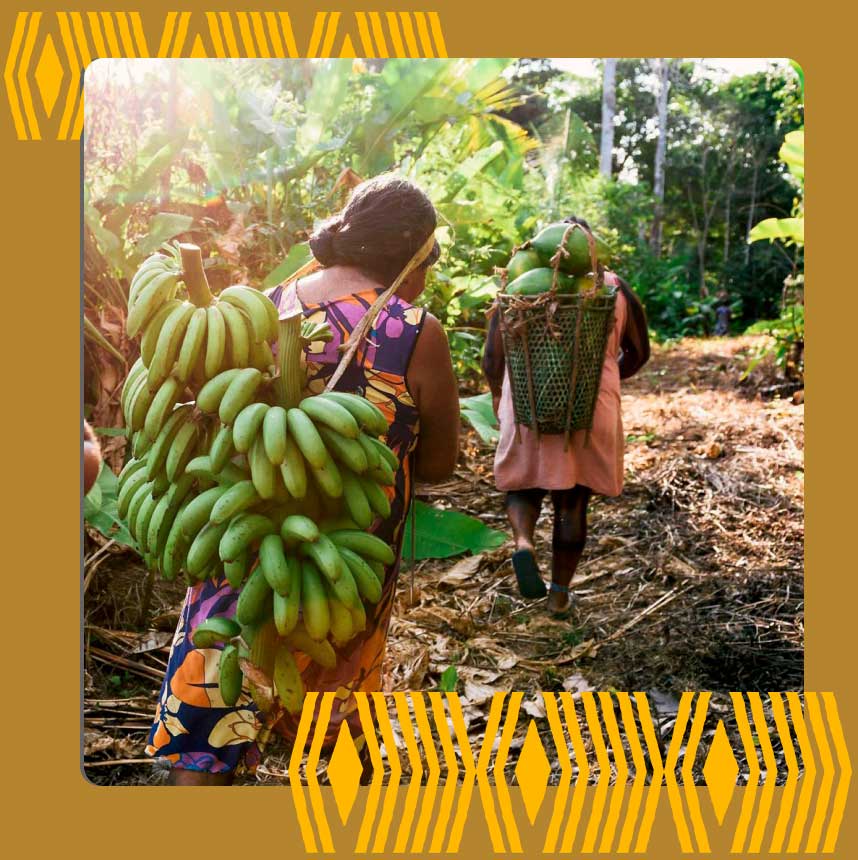
Women and Youth: Key Players in Territorial Economies
Women and youth should not be viewed solely as beneficiaries of inclusion.
They are already key players in Indigenous Peoples and community economies.
Women preserve knowledge, production systems, and cultural practices, while developing new initiatives and ways to generate income and well-being. Young people inherit this knowledge, but they also transform it through entrepreneurship, innovation, and new ways of engaging with their territories.
Investing in women and youth is investing in the continuity and renewal of our economies.
Building partnerships without losing territorial control
Strengthening these economies requires partnerships with various actors: businesses, financial institutions, academia, civil society organizations, governments, and donors. But these partnerships must be based on a fundamental principle:
Our communities must retain leadership over our own processes.

Cooperation must respect our organizational forms, governance structures, and priorities as defined by our communities.
It is not just a matter of bringing resources to our territories. It is about transforming the way in which resources, opportunities, and decisions reach them.
The opportunity already exists. It is in our territories.
Strengthening Indigenous Peoples and community-based economies means strengthening our communities’ capacity to make decisions, produce, innovate, and build well-being based on our own self-determination.
We are not discovering these economies. We are recognizing their value and working to create the conditions for them to grow stronger, connect with diverse markets, and generate greater well-being in our territories.
Because if communities thrive, the forests will be preserved.
Contact
Michel Laforge
Indigenous Peoples and Community Economies Coordinator
email hidden; JavaScript is required