The conversation around direct financing for Indigenous Peoples and Local Communities has moved beyond commitments. Across territories, our territorial funds are already demonstrating how financing can reach our communities through our governance, long-term vision, and locally defined priorities.
In June 2026, our Shandia Platform, territorial funds, and the GATC Women’s Movement have continued documenting these experiences, generating evidence, and strengthening the collective learning that will continue shaping the next generation of territorial finance.
We invite you to explore two new publications that capture these lessons and contribute to the growing movement for direct territorial funding.
Our Shandia Report 2025
Territorial finance works when our communities lead it.
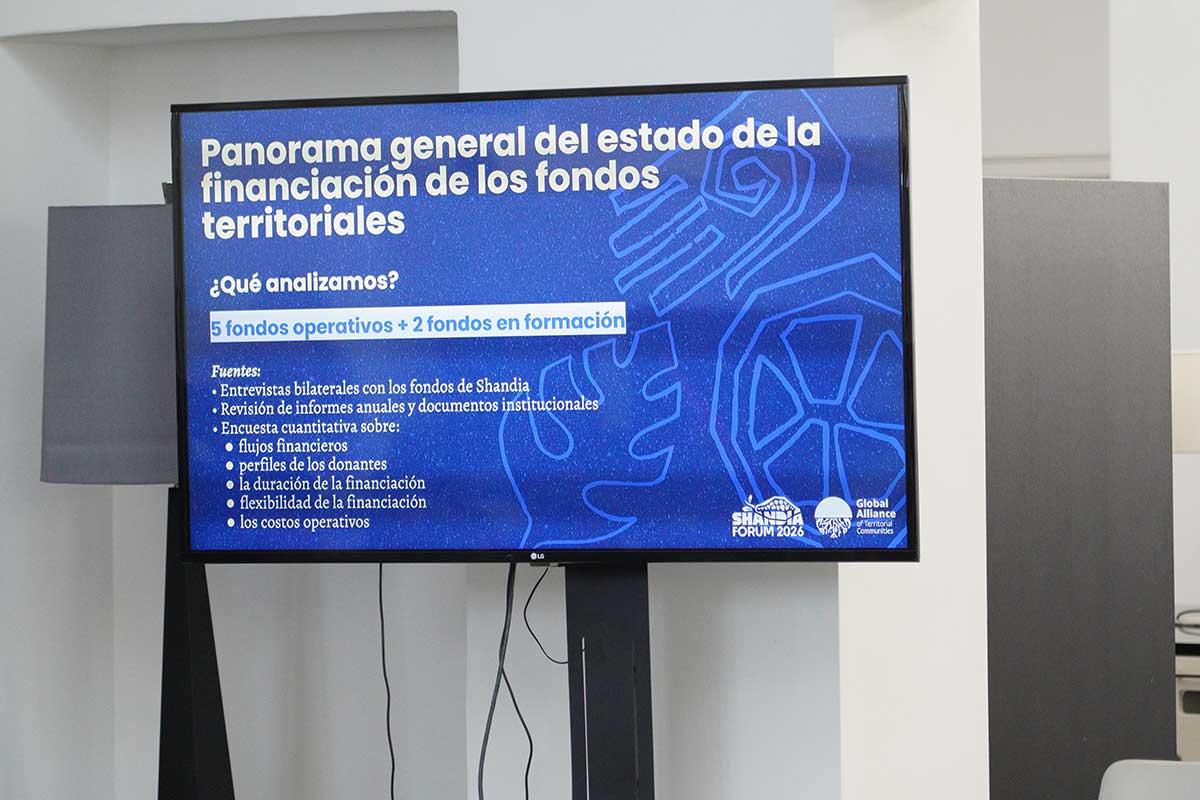
Our Shandia Report 2025 documents investments made through our territorial funds that are part of our Shandia Platform during 2025 while examining the opportunities, funding gaps, and structural challenges that continue to shape direct territorial financing.
For the first time, the report goes beyond tracking resources invested. It also analyzes the quality of funding reaching territorial mechanisms, including:
- the duration of funding commitments;
- institutional versus project-restricted support;
- the different actors financing territorial funds;
- and the conditions needed for direct financing to become more sustainable.
The report asks an important question:
What still needs to change for global commitments to become meaningful support for Indigenous Peoples and Local Communities on the ground?
Its conclusion is clear:
Territorial finance is most effective when we lead governance, implementation, and decision-making.
Gender-responsive territorial investment
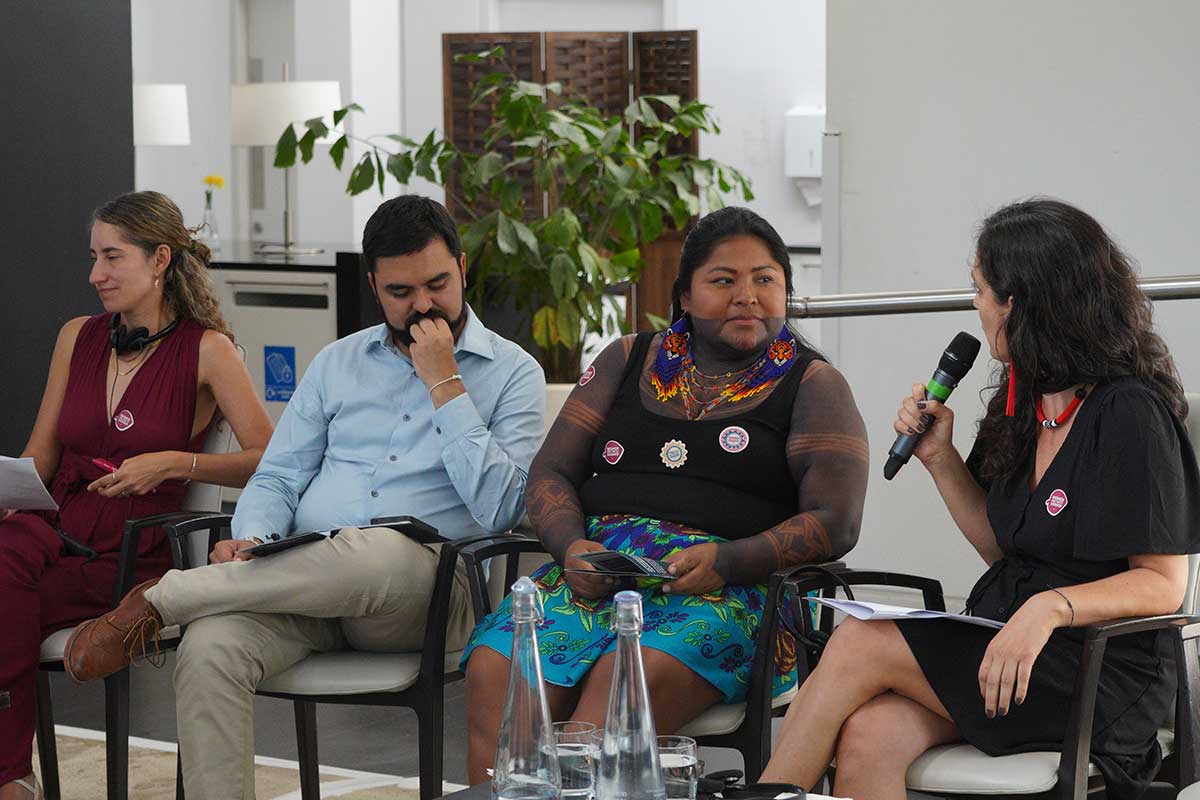
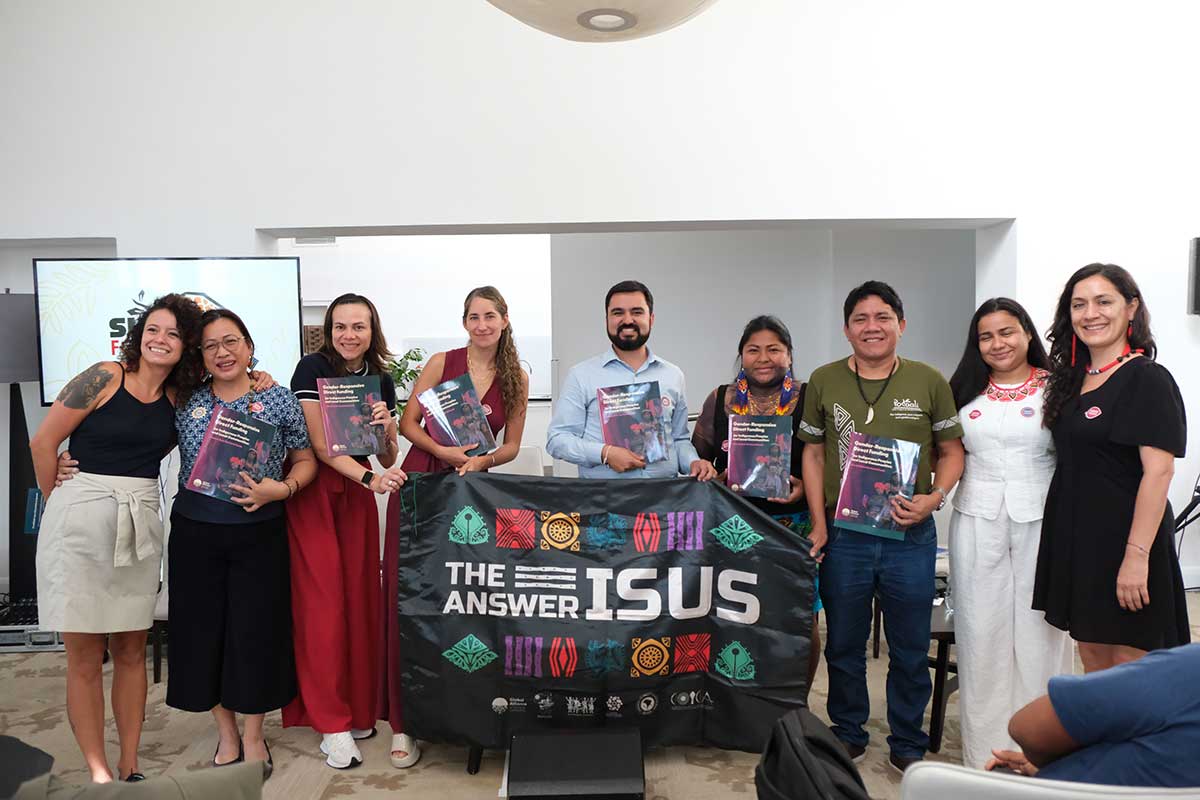
Financing designed with women, not simply for women.
Gender-Responsive Direct Funding for Indigenous Peoples and Local Communities: Lessons from Territorial Funds, was developed by our Shandia Platform, our Women’s Movement, and eight territorial funds across from Africa, Asia,Mesoamerica, Brazil and the Amazon Basin
The report examines the barriers Indigenous Peoples and Local Community women continue to face in accessing climate and biodiversity finance while highlighting practical solutions already being implemented by territorial funds.
Its central message is straightforward:
Women are not simply beneficiaries of climate finance.
They are leaders, rights holders, decision-makers, and knowledge holders whose participation strengthens territorial governance and produces more equitable and lasting outcomes.
Drawing on experiences from multiple regions, the publication offers practical recommendations for donors, policymakers, and funding institutions seeking to make direct financing more inclusive and effective.
Learning together to strengthen our territorial finance
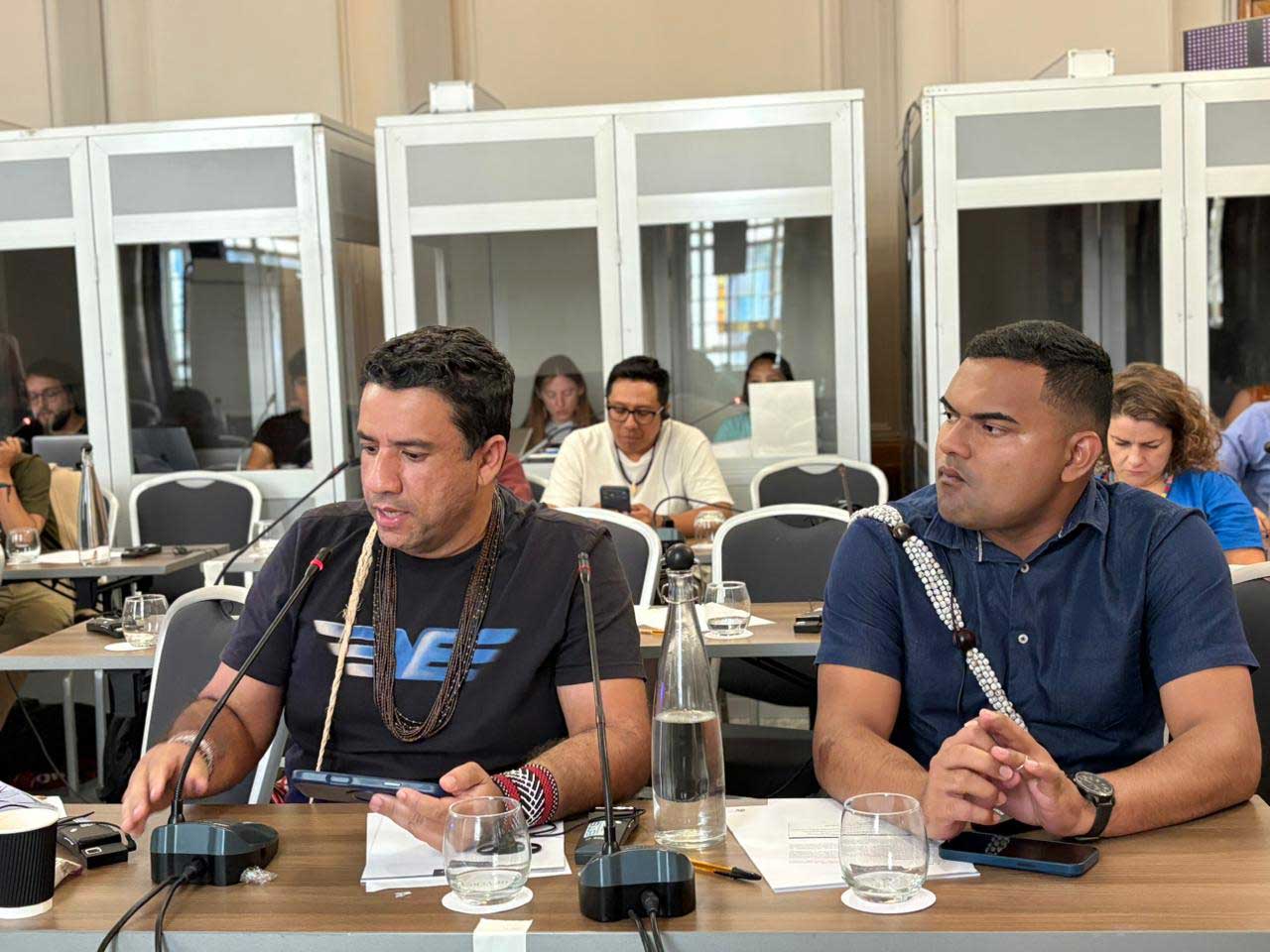
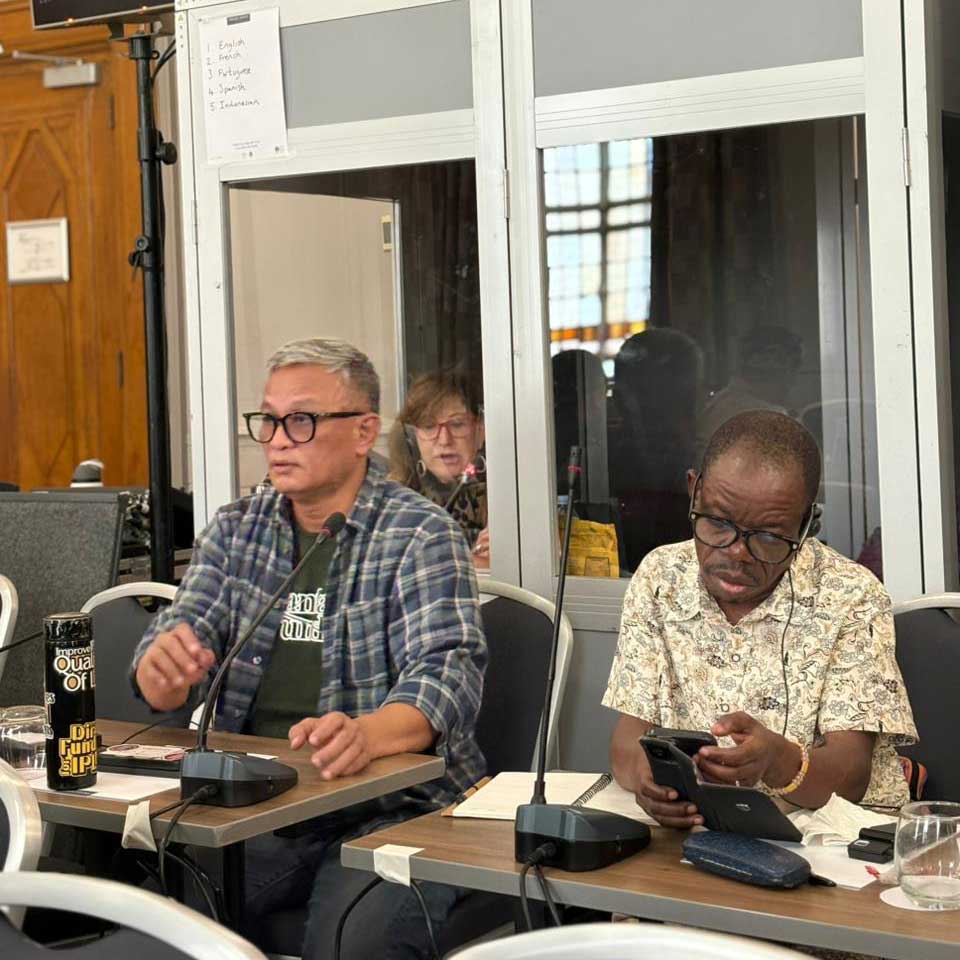
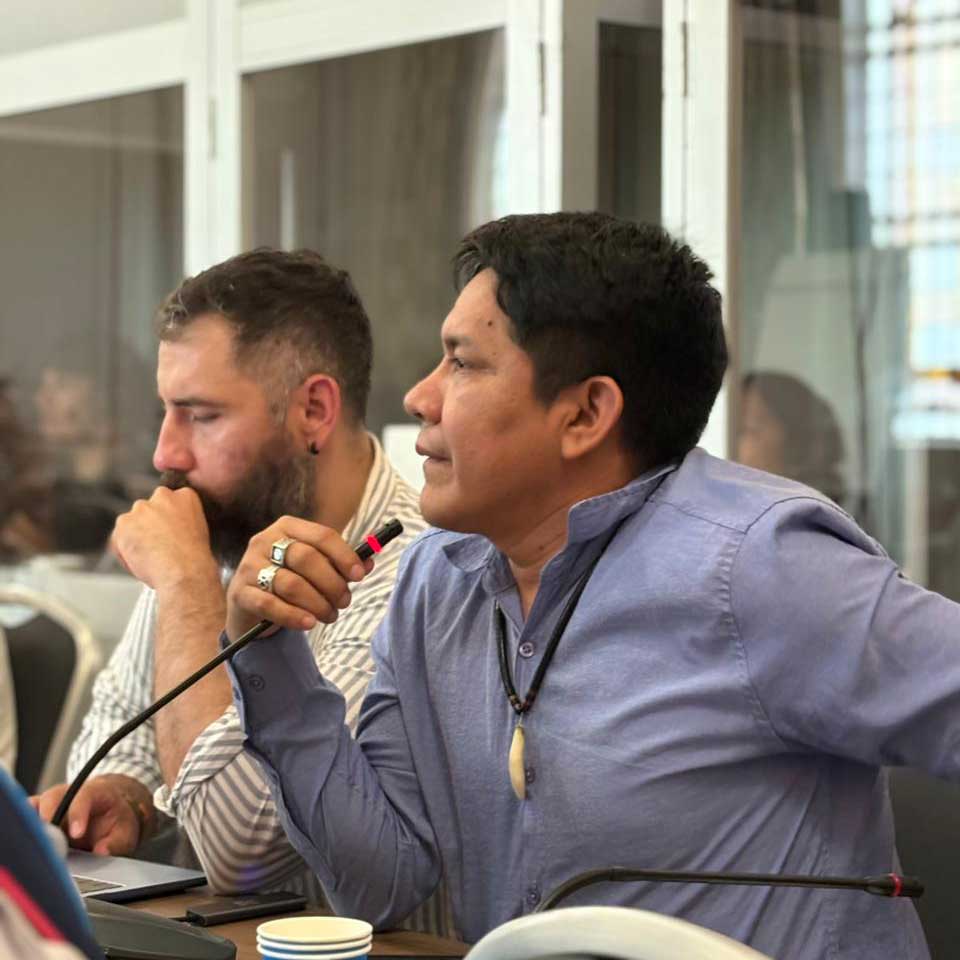
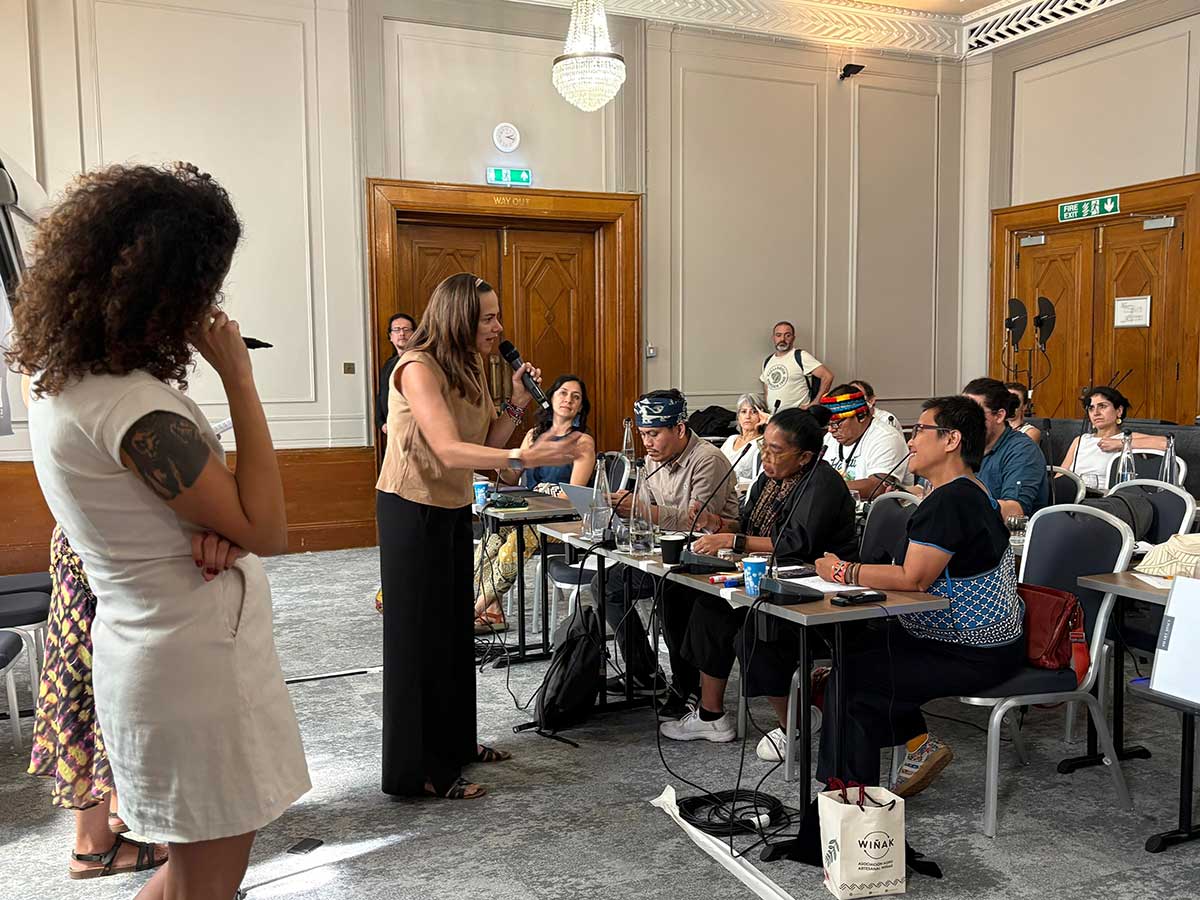
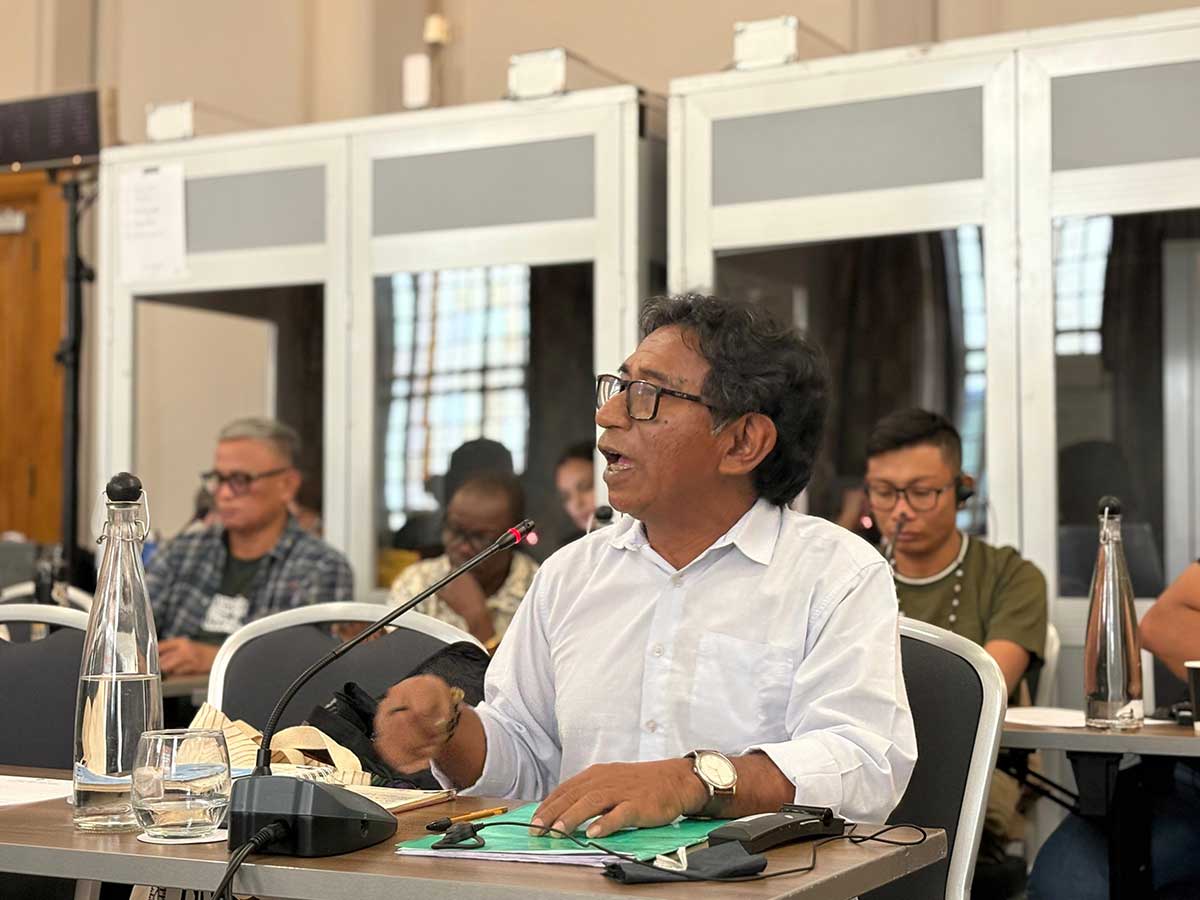
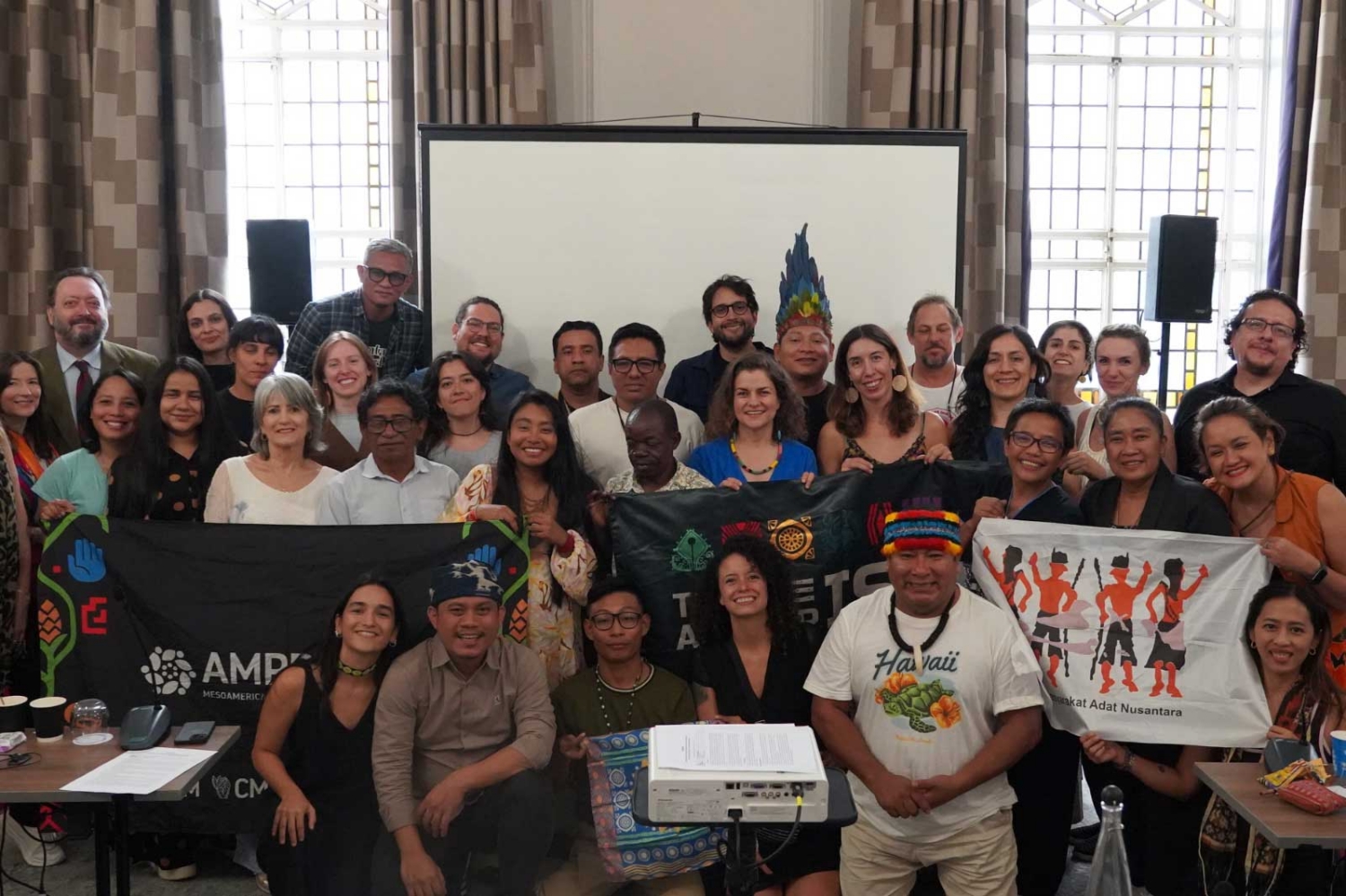
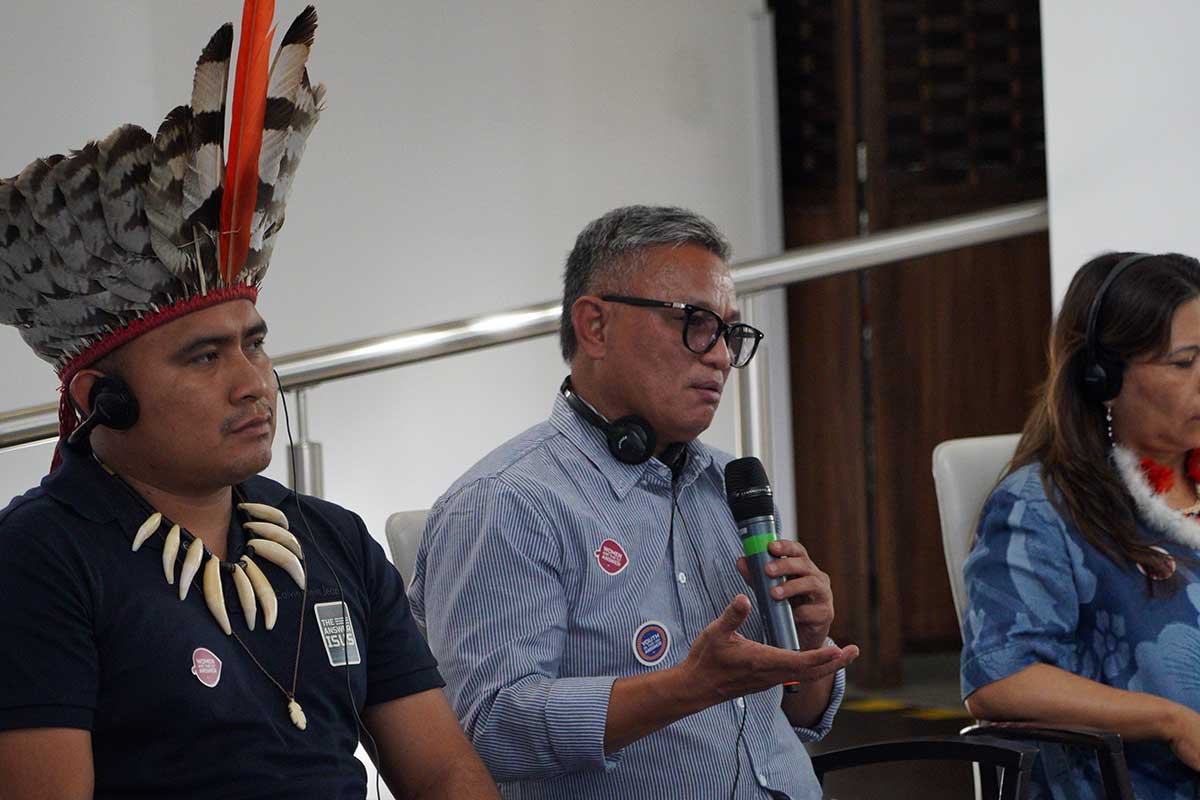
During the recent Shandia Learning Community, some of our territorial funds from Africa, Asia, Mesoamerica, Brazil and the Amazon Basin gathered to exchange lessons on governance, monitoring, direct financing, and long-term sustainability.
One question guided the discussions:
How does financing actually reach the people doing the work?
We reaffirmed several shared priorities:
- Our territorial funds are governance mechanisms built by communities—not external delivery systems.
- Monitoring, evaluation, and learning must respond to our realities and be designed with territorial leadership.
- Women and youth must participate in designing, governing, and allocating resources, not only receive them.
- Partnerships must be grounded in trust, mutual respect, and recognition of our governance.
The conversations also reinforced that the challenge is no longer demonstrating that territorial finance works.
The challenge is ensuring that global commitments translate into sustained, flexible, and direct support for our Indigenous Peoples and Local Communities.
The conversation continues
The launch of these publications is not the conclusion of a process—it is the beginning of the next phase.
Throughout the remainder of the year, the lessons, evidence, and recommendations emerging from our Shandia Platform and territorial funds will continue informing key global conversations on climate, biodiversity, and land governance, including UNCCD COP17, Climate Week NYC, CBD COP17, and UN Climate Change COP31.
Across these spaces, we will continue advancing a shared message: direct territorial financing is not an aspiration, it is already being implemented. Our Territorial funds have demonstrated that when resources are governed by us, investments become more effective, equitable, and responsive to our territorial priorities.
The knowledge exists. The governance systems exist. The experience exists.
The challenge ahead is to ensure that global commitments are matched with long-term, flexible, and direct financing that strengthens our Indigenous Peoples and Local Communities institutions, leadership, and territorial visions.