









The Answer is Us: How the world saw our answers at COP30
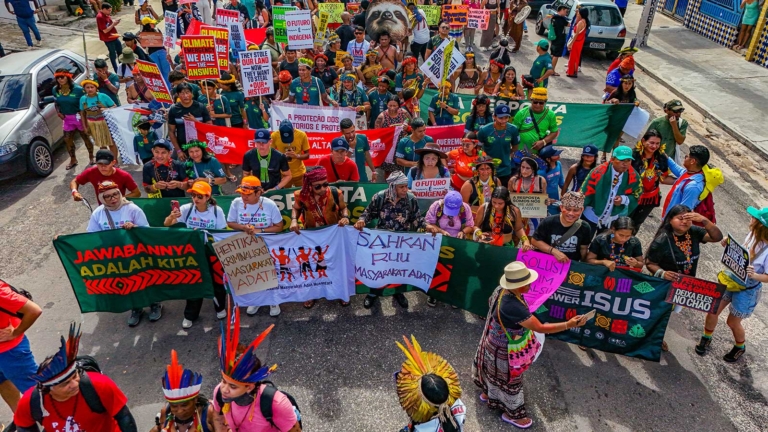
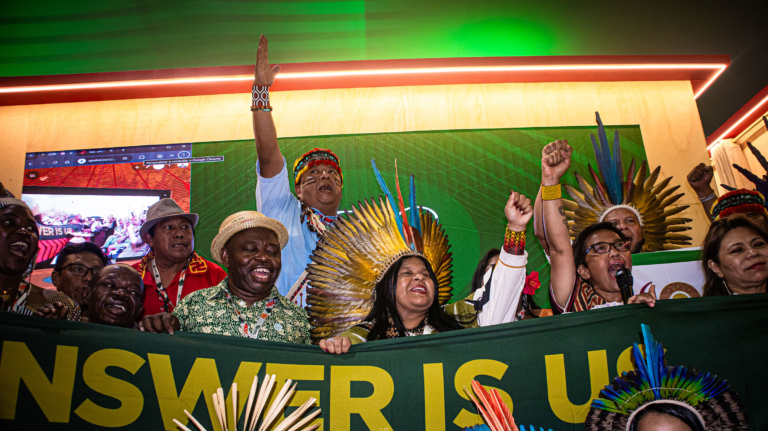
Born in the Brazilian Amazon, The Answer Is Us grew into a global Indigenous-led campaign shaping COP30, revealing victories and unfinished demands. This is how
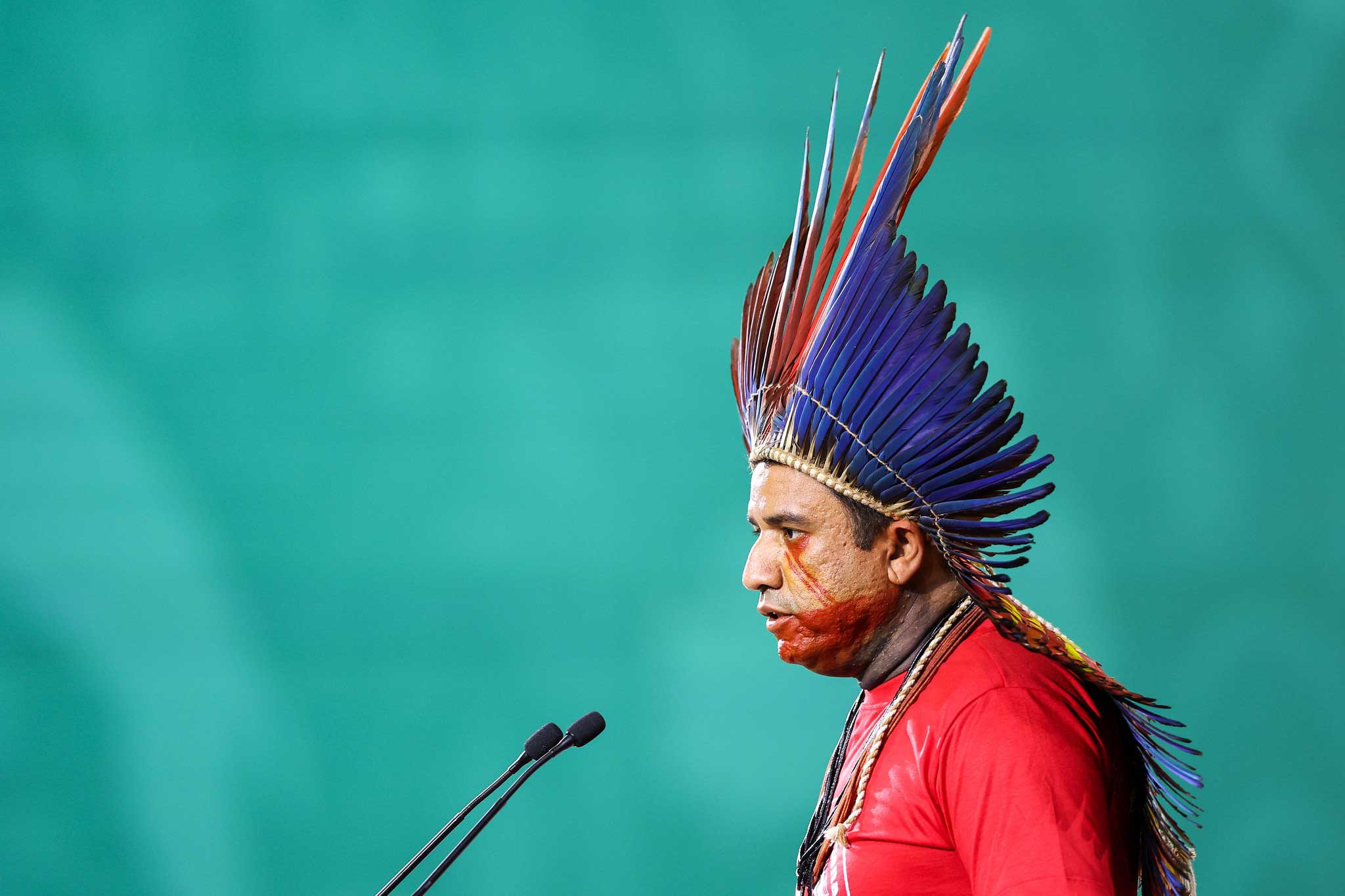
Photo: AMAN
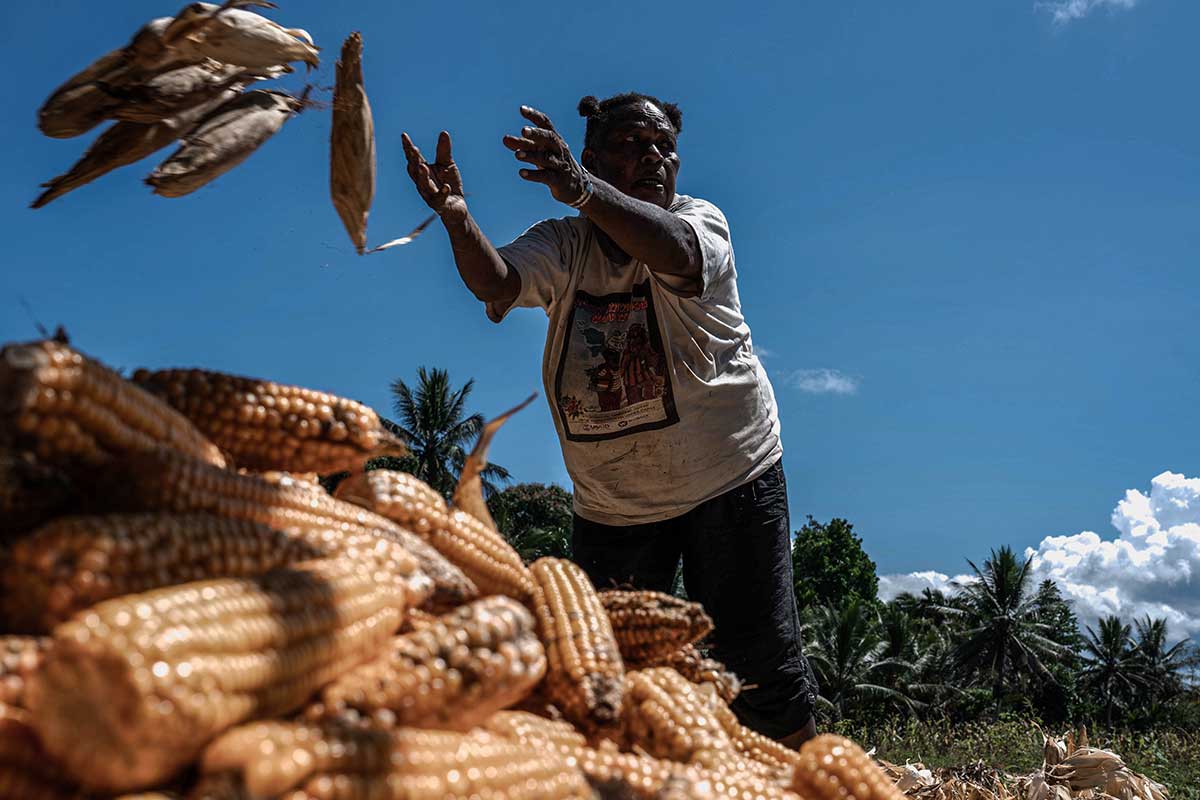
For our communities, direct financing is more than just monetary support—it is a vital tool for securing our fundamental rights. It is not an end in itself but a means to uphold our right to live on our lands, exercise Free, Prior, and Informed Consent, preserve and adapt our traditional knowledge, and live free from violence. Moreover, it fosters a cycle where resources invested in our territories yield tangible environmental and biodiversity benefits.
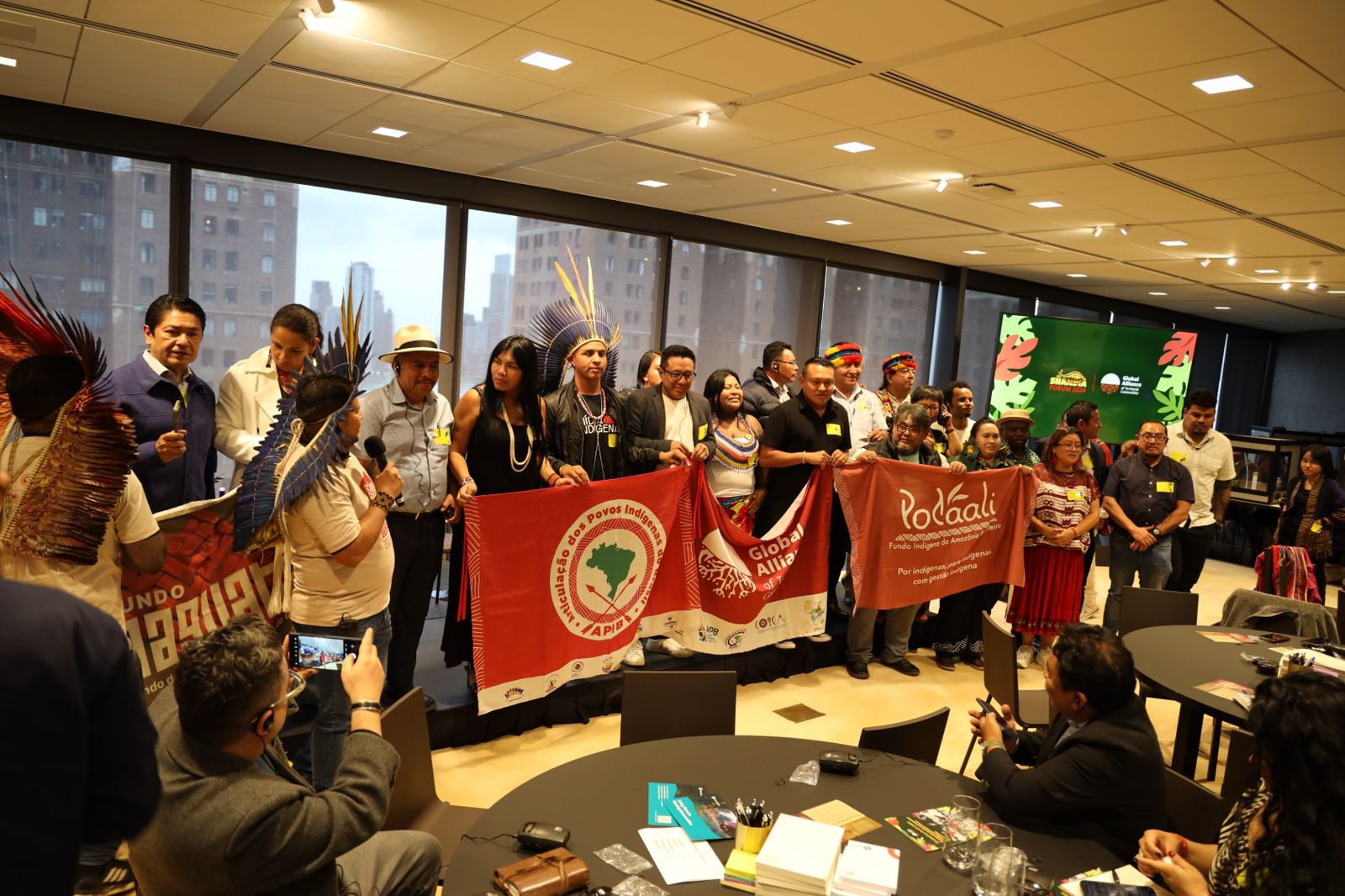
Photo: Kalfein Wuisan
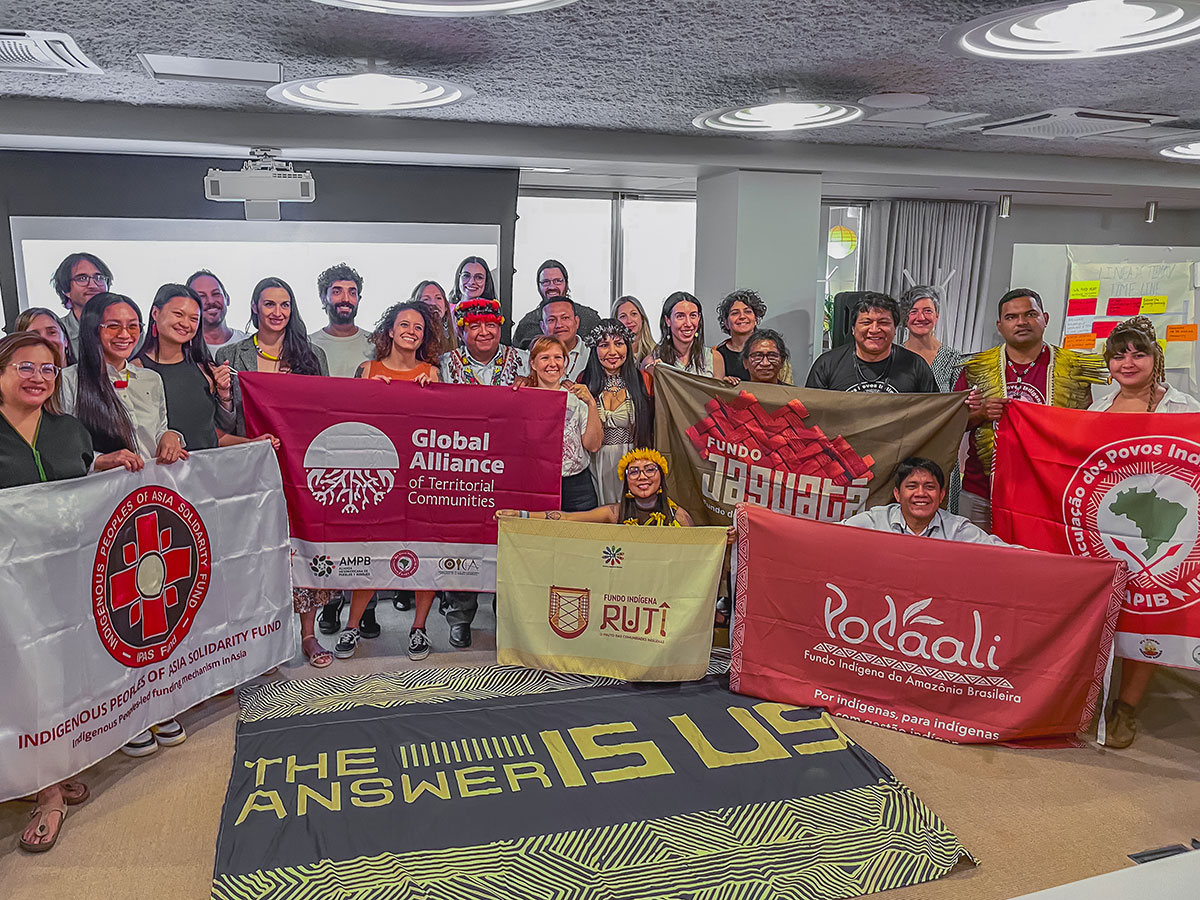
Photo: AMPB
The vision of Shandia is that Indigenous Peoples and Local Communities have access to direct funding for actions that combat climate change, conserve biodiversity and sustain our rights and self-determined development in our territories, based on identity and traditional knowledge.
In August 2021, given the glaring asymmetry between the importance of Indigenous Peoples and Local Communities (IP&LCs) in addressing the crises we face and the limited resources available directly to us, the Shandia Vision was born in a Kichwa community in Ecuador.
In 2023 the Shandia Platform was consolidated as a network of funds led by IP&LCs, expanding national and regional mechanisms and adopting a bottom-up approach to data collection and well-informed policy decisions.
In 2024 Shandia established its own technical team, organized three knowledge-exchange workshops in Brazil, Congo, and Indonesia, and co-hosted the Second Technical Workshop on Tracking of Funds.
In September 2024, we also organized the first ever Shandia Forum 2024.
In 2025, the Shandia Platform enters a decisive phase, building on a year of internal consolidation in 2024. In a challenging global political landscape—marked by rising conservatism and reduced strategic funding—Shandia is ready to act with renewed determination. This year, it will focus on three key objectives:
Indigenous Peoples and Local Communities (IP&LCs) are neither beneficiaries nor service providers. We are leading the solutions to crises we did not cause, dating back to colonization. Therefore, we must be included in every phase of funding and decision-making concerning our territories, with full respect for our right to Free, Prior, and Informed Consent.
Direct financing must reinforce our territorial rights and sustain our traditional ways of living across all IP&LCs territories. It cannot support initiatives in one region while violating rights in another—solidarity should be a core principle. We stand together.
Direct financing must align with our strategies and use our institutions and systems to implement activities. It should be flexible enough to account for the diverse and complex political contexts of each community.
Direct funding must support inclusive and legitimate leadership freely chosen by our communities through traditional democratic means. Prioritizing the participation of women, youth, and elders is essential.
Direct finance must be predictable, offering long-term support for our decisions, recognizing the complex political realities we face, and respecting that protecting our territories remains our top priority.
Direct financing should focus on strengthening the capacities of our organizations in line with our governance structures. Donors must learn with us and adapt their procedures to respect our languages, decision-making processes, cultural expressions, and temporal perspectives. This also includes investing in capacity building within our organizations to meet specific needs.
Direct finance must be transparent, with accountability upheld by both donors and IP&LCs organizations. Reporting and monitoring should be culturally diverse and accessible to our communities, using shared reporting parameters.
Nusantara Fund was established by the three largest civil society organizations in Indonesia to provide direct funding to Indigenous Peoples, Local Communities, and People’s Organizations constituents of AMAN, KPA, and WALHI, which we call the Nusantara Fund Main Partners. The fund also allocates 15% of direct funding for those not yet affiliated with the Main Partners. More than 420 Indigenous Peoples, Local Communities, and People’s Organization initiatives have been supported throughout Indonesia. In 2024, 1.5 million USD was distributed and this year, 790,000 USD has been distributed and will continue to grow until August 2025. The total funding commitment obtained by Nusantara Fund to date has reached 10.1 million USD until 2029.
Learn more about the Nusantara Fund.
Connect on social media: Instagram | Facebook | YouTube
Since 2021, the FTM has invested USD 1,884,400, with 80% going to direct territorial funding. This has supported 32 projects by Indigenous Peoples and Local Communities (IP&LCs) and eight women-led organizations across six Mesoamerican countries. These initiatives strengthen governance, rights, climate adaptation and mitigation, sustainable enterprises, and preserve ancestral knowledge. Key cross-cutting themes include gender, youth, and social inclusion.
Learn more about the Mesoamerican Territorial Fund.
Connect on social media: LinkedIn
The Jaguatá Fund was launched by the Articulation of Indigenous Peoples of Brazil (APIB) at the Shandia Forum 2024. Developed through a collaborative process led by Brazil’s National Forum of Indigenous Leaders and the APIB Fund Working Group, the fund reflects a strong commitment to democratic and traditional governance practices.
The Indigenous Peoples of Asia Solidarity (IPAS) Fund was established following a 2022 regional workshop in Cambodia, where 26 Indigenous Peoples Organizations from 13 Asian countries gathered to address the lack of direct financing. After formalizing its vision and governance structures, the regional assembly officially launched IPAS in 2023 in Bali. Since then, the fund has begun re-granting in six countries, focusing on Indigenous women, youth, and persons with disabilities. With a secretariat based in Indonesia and a five-year strategy in place, IPAS is working to reach remote communities, simplify grant access, build capacity, and support Indigenous-led conservation and sustainable economies.
Learn more about the Indigenous Peoples of Asia Solidarity (IPAS) Fund.
Connect on social media: LinkedIn | Facebook
The Central African Indigenous Peoples and Congo Basin Fund, known as Fonds REPALEAC, aims to achieve a vision where Central Africa and the Congo Basin sustainably value and conserve nature and forests with the participation of Indigenous Peoples and Local Communities. Our governance and fund management will be straightforward, flexible, direct, accessible, and adapted to the context of grassroots communities.
The Amazon for Life Fund was established by COICA to channel direct climate and biodiversity finance to Indigenous Peoples in the Amazon Basin. Emerging from a regional mandate on Amazonian bioeconomy, the Fund strengthens Indigenous Peoples-led governance, conservation, and territorial development.
The mechanism began with an initial USD 10 million contribution from the Green Climate Fund through the Inter-American Development Bank, making it the only territorial fund in this network backed by a multilateral institution. Implementation is underway in Peru, Ecuador, Venezuela, Brazil, and Colombia, supporting Indigenous Peoples’ economies, restoration, and capacity building.
Its achievements include pioneering a COICA–IDB partnership for direct finance, creating a legal and operational governance model for other territorial mechanisms, and advancing a regional process recognizing autonomy and diversity in the Amazon. The Fund continues consolidating its own trust structure to ensure long-term financial sovereignty and accountability grounded in Indigenous Peoples values.
Learn more about the Amazon for Life Fund.
The Podaali Fund is the first Indigenous Peoples–led funding mechanism for the Brazilian Amazon — created, governed, and managed entirely by Indigenous Peoples to redistribute resources directly to communities, organizations, and territorial initiatives.
Launched in 2019 and rooted in a decade of collective planning by COIAB and UMIAB, the Fund embodies the Baniwa concept of “giving without expecting anything in return.” Podaali’s governance is fully run by Indigenous Peoples, with decision-making bodies composed of leaders from all nine Amazonian states. To date, it has supported 174 initiatives, including programs led by women and youth, strengthening intergenerational leadership. In 2024, it managed approximately $3.8 million USD from 15 donors, investing across institutional strengthening, sustainable economies, territorial management, and education.
Podaali has become a symbol of financial sovereignty and climate leadership — demonstrating that transparent, culturally grounded, and territory-based financing models are not only possible, but effective in sustaining the Amazon’s future.
Learn more about the Podaali Fund.
Connect on social media: Facebook | Instagram
The Rutî Indigenous Fund was created in 2024 by the Indigenous Peoples Council of Roraima (CIR) as an internal mechanism to strengthen territorial governance and economic autonomy in Roraima. Built on CIR’s decades of organizational experience, Rutî finances community-led productive initiatives — helping families sustain their livelihoods while remaining connected to their territories.
Instead of transferring cash, the Fund purchases the goods and equipment requested by families and communities, reducing bureaucracy and ensuring accountability. In its first call, Rutî received 145 proposals and supported 25 initiatives, most of them family-based.
Rutî stands out as a financing model rooted inside the movement itself — where managing resources is inseparable from managing territory and self-determination.
Learn more about the Rutî Fund.
Connect on social media: Facebook | Instagram
After years of conflict, Nueva Trinidad, in Guatemala shows that it is possible to imagine a new future—and how direct financing supports adaptation in the face of climate disasters.
Discover our latest stories and explore how Indigenous Peoples and Local Communities are safeguarding our planet’s crucial ecosystems.

Born in the Brazilian Amazon, The Answer Is Us grew into a global Indigenous-led campaign shaping COP30, revealing victories and unfinished demands. This is how

At the Shandia Forum 2025 during COP30 in Belém, Indigenous Peoples and Local Communities launched The Peoples’ Pledge, a global commitment to ensure that climate

Explore how Indigenous Peoples and Local Communities are leading the way from recognition to direct investment in traditional food and forest systems—key solutions to the
Watch the video of the knowledge-sharing workshop between Indigenous Peoples of Indonesia -from the Nusantara fund- and representatives from the Congo Basin (REPALEAC). This is how Shandia fostered South-to-South collaboration between Indigenous- and community-led funds.
A collection of reports and publications supporting direct financing for Indigenous Peoples and Local Communities.
To keep up with news from the Indigenous and Local Community guardians, sign up here.
General inquiries:
email hidden; JavaScript is required
Press & media:
email hidden; JavaScript is required
Rainforest Foundations US is our fiscal sponsor. For any letters and parcels, please direct to:
Rainforest Foundation US
P.O. Box 26908
Brooklyn, NY 11202