The Answer is Us: How the world saw our answers at COP30
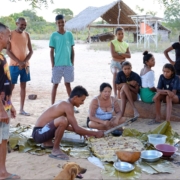
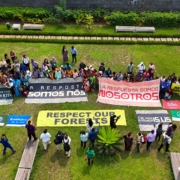
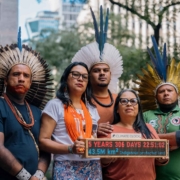
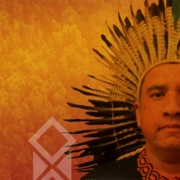
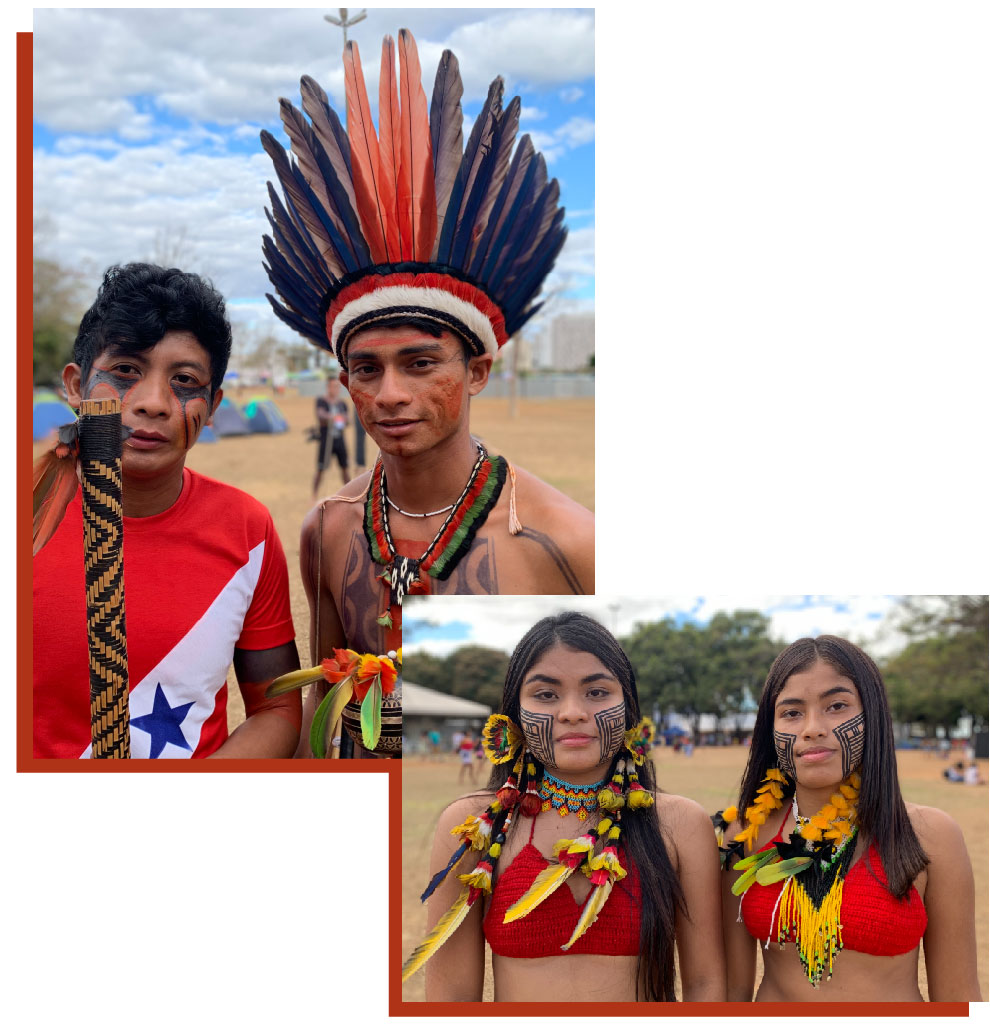
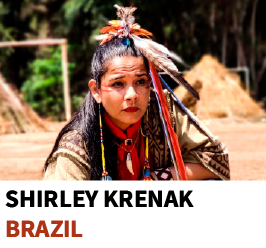
The Answer Is Us was born in the Brazilian Amazon, as an urgent call for the world to hear the voice of those most affected by the climate crisis, who are also those leading the path towards long term solutions. As it grew, first to embrace the entire indigenous movement and a myriad of social movements in Brazil, and then to amplify its outreach to the entire world, COP30 came closer, and with it, a fundamental scenario for the demands of the campaign to take the stage and receive answers. Now, with COP30 behind, and the implementation phase ahead of us, we look to the demands of the campaign to shed light on what were some of the key victories of the Conference and the advancements outside of the officially closed doors; we reflect on the gaps that were still left open; and bring our thoughts on what needs to come to the center of future negotiations and actions at different levels. This is our vision for how the world saw our answers at COP30 and what remained unseen. Top photo: @than.pataxo
1. Land rights equals climate action
Victories
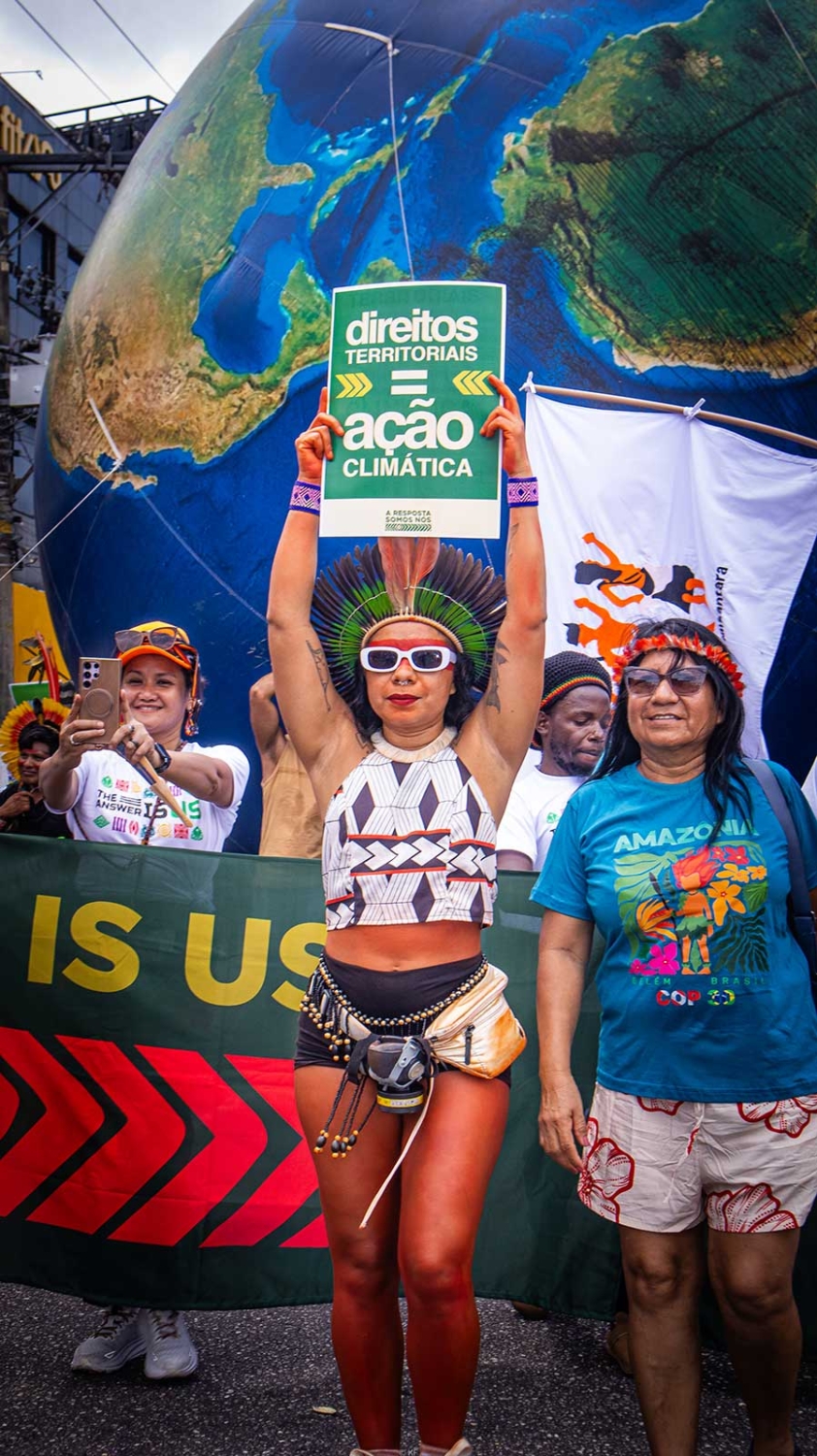
During the official Conference, the conversation around land rights and the need for processes of demarcation, recognition, and protection was present across the agenda. In the official final results of the negotiations, the text states that land rights are one of the key ways to mitigate climate change. This explicit mention in the agreement now brings forward the possibility of bold movement from decision makers at national and regional levels, to be welcomed with open arms. Locally, during COP30 we received a striking victory in Brazil, with 21 lands advancing in their demarcation process at different stages. Indonesia announced an increase in 1.4 million hectares of customary forest to be signalled, and the aftermath of COP has brought with it a historical announcement by Colombia on finally regulating the Indigenous Territorial Entities as forms of territorial governance.
What is still missing
While the explicit mention is a significant step towards securing land rights, several components of the leading agreements (mitigation, adaptation, finance) are still silent in the materialization of this solution as a priority for action across States. The NDCs that have been submitted so far are also, in numerous regions, missing mentions to land rights, which will sadly also come with an impact on how they are present in public policies and budgets nationally.
How we will continue to advocate
All communities bringing solutions to climate change are continuing to take action in their territories, fighting back against regressive legislation and pushing for States to recognize the need for official investment and laws on land rights. Brazil, while declaring advancements on some demarcations, is also significantly showing a regression on legal efforts with the advancement of the Marco Temporal rulings in the Senate, and international eyes from partners and movements must remain on sight to guarantee the protection of lands and lives.
2. Zero deforestation
Victories
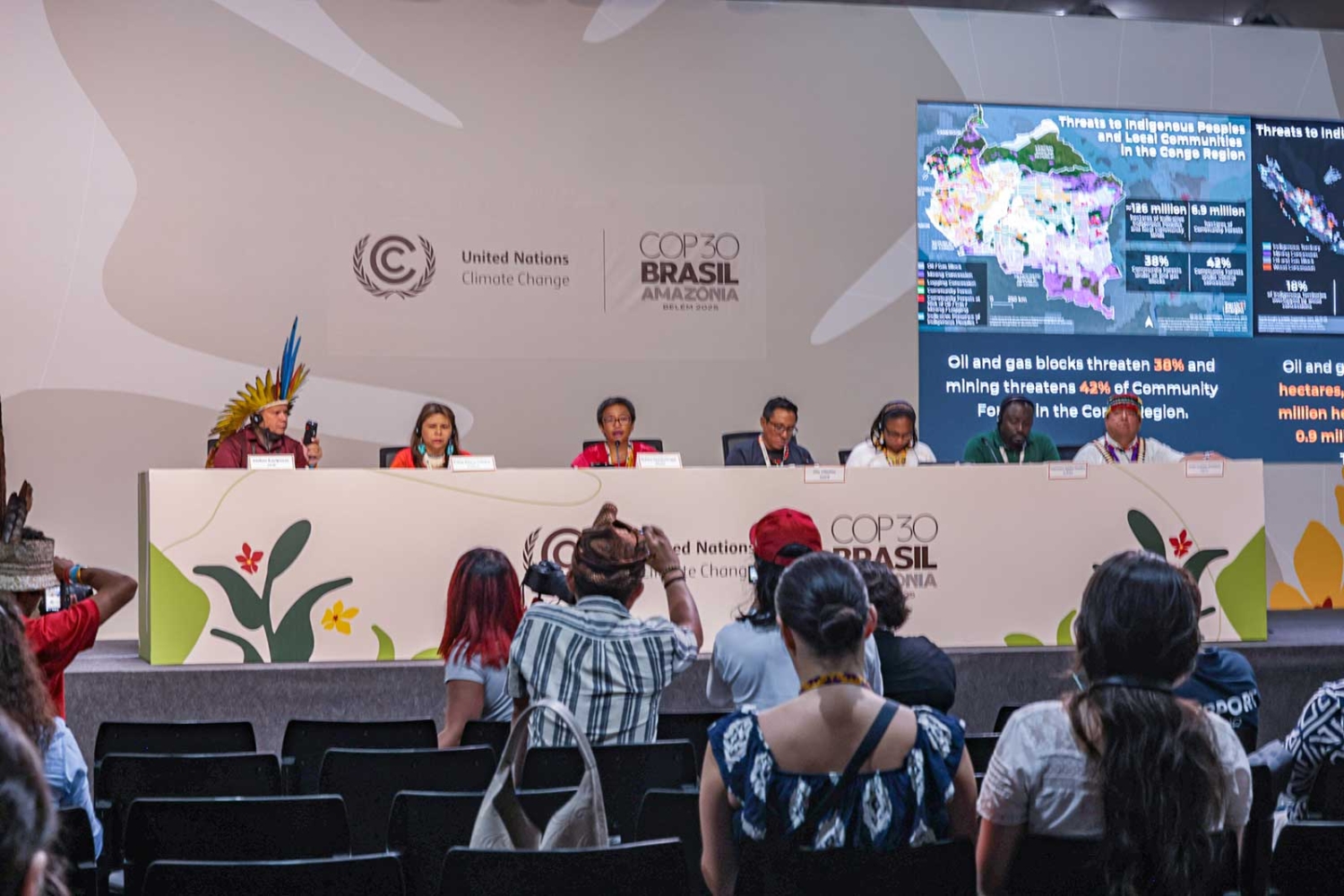
Unfortunately, this demand received very limited attention in the official agendas. However, a significant victory is the reaffirmation, in the official documents, around the TFFF strategy to advance commitments towards Zero deforestation by 203.
What is still missing
The final agreement ended without a roadmap for zero deforestation, which leaves unclear paths of action and makes agreements ambiguous both in wording and in clear metrics by which to demand progress from countries.
How we will continue to advocate
COP31 will be a limited scenario for civil society action, but the discussions and preliminary negotiations will be a center stage to discuss a roadmap for Zero deforestation and, in particular, to demand viable strategies on the ground.
3. No to fossil fuels! No to mining in our territories!
Victories
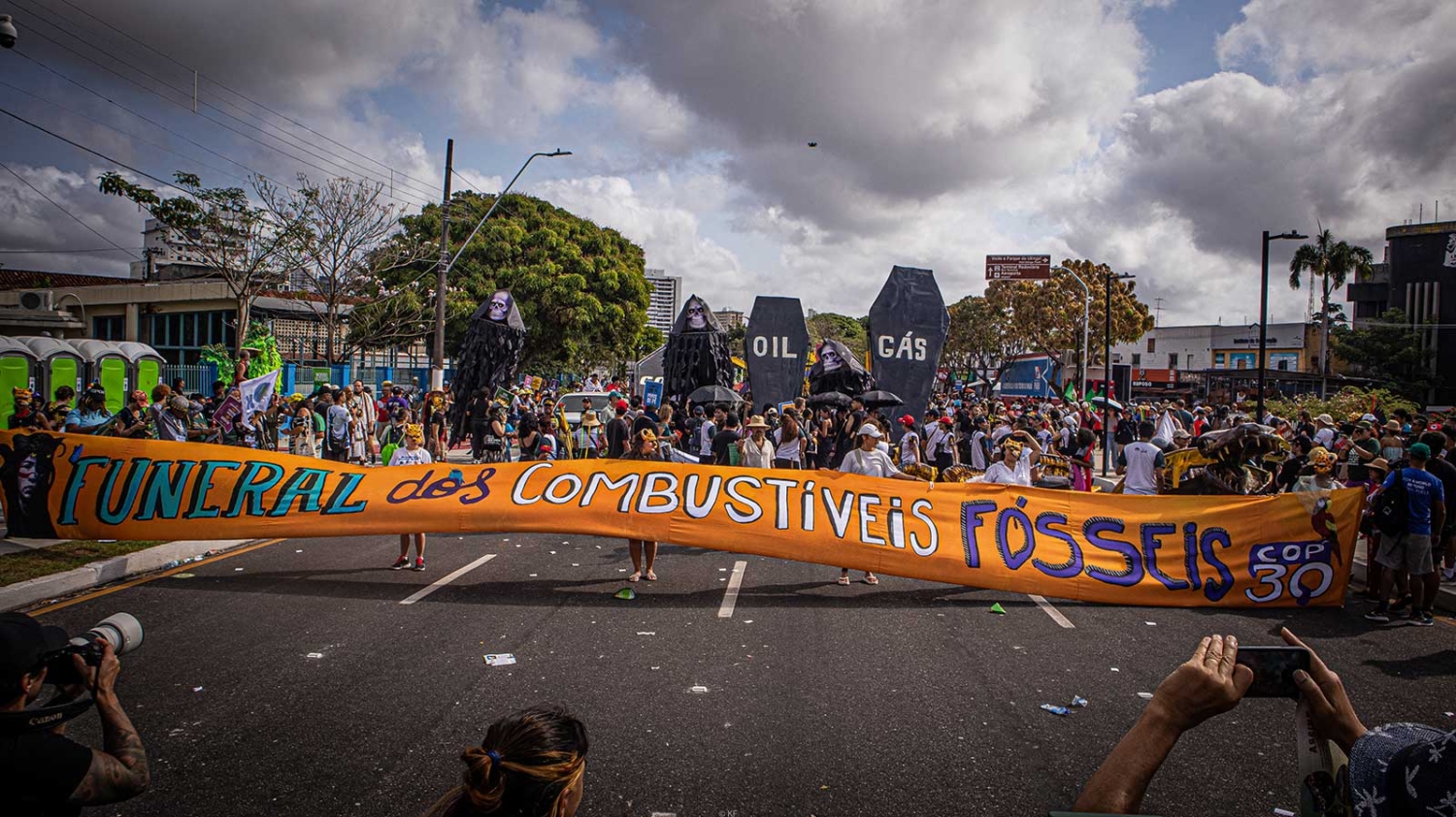
The Colombian government announced, during the first week of COP, the creation and hosting of the first ever Conference for the Just Transition away from Fossil Fuels. The Netherlands have joined in the efforts and, in April of 2026, accelerated progress is expected to start building. In coherence with this decision, the president announced in late November the decision for a fossil fuel exclusion zone in the Colombian Amazon.
What is still missing
Once more, the official agreements coming from the negotiations did not incorporate specific language on fossil fuel phase out, or on a roadmap that enabled a path towards success around it. The fossil fuel lobby participation was equivalent to the second largest country delegation in the negotiations, and their pressure to shy away from phase out language was carried out successfully, at a loss to all stakeholders fighting back against mining and exploration.
How we will continue to advocate
Official agreements in the biodiversity and climate COPs need to incorporate, without delay, a clear path for phase out, including mechanisms for exclusion zones in territory protected by frontline communities around the world. During the preliminary negotiations for both Conferences next year, and throughout the Just Transition Conference, the campaign will continue to advocate for bold commitments and specific mechanisms that land on policies with a set deadline.
4. Protect defenders! Protect our ways of life!
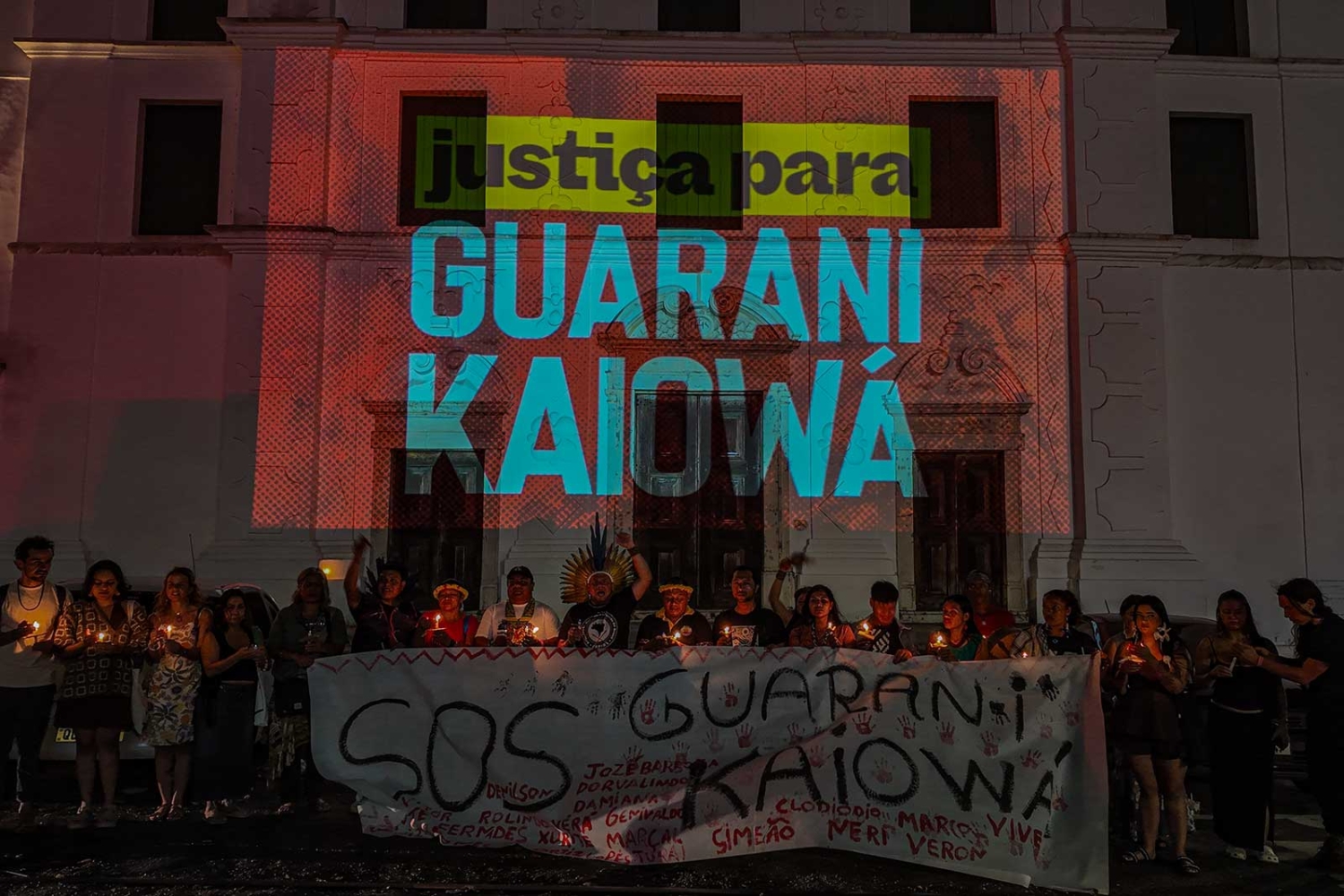
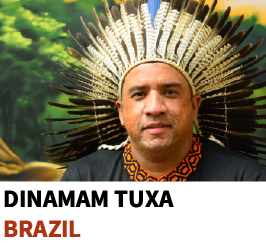
The demand around the protection of defenders and their ways of life was, sadly, the least attended to and one of the most dire ones on the ground. During COP30, a youth from the Guaraní Kaiowá was murdered in his territory by land invaders, and in the aftermath of COP, Central American leaders continue to be falsely accused and imprisoned, communities in Indonesia continue to be criminalized. In just the past week, news cases have risen to the public fora with the IIPFCC leaders from Russia being criminalized, and indigenous lawyer and GATC leader Dinamám Tuxá being defamed in Brazil.
Despite these realities, the official texts and statements from government officials do not speak of protection to the defenders. A fundamental debt of COP30 to the communities who are bringing forward the answers to the climate crisis is the explicit creation of mechanisms for protection of life.
5. Direct access to climate finance
Victories
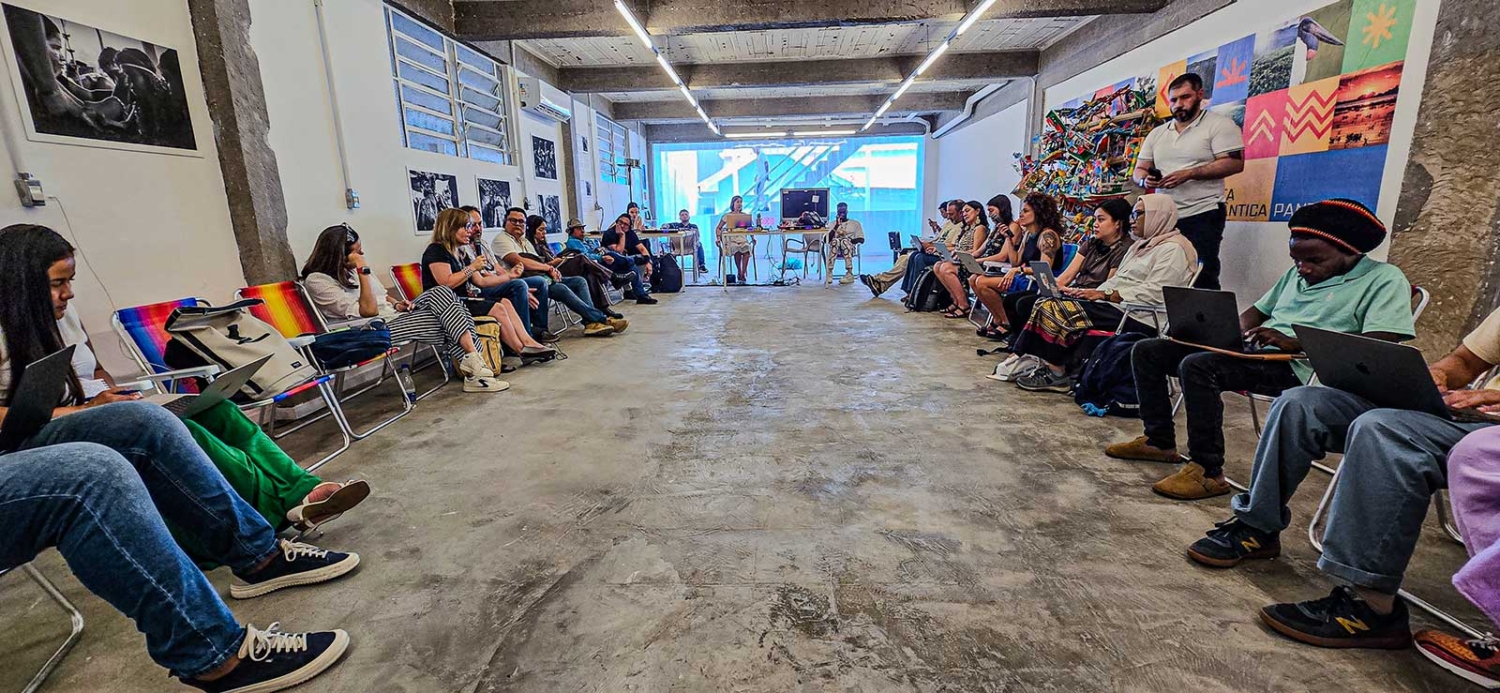
Lateral announcements around access to climate finance have been key campaign achievements in 2025. The announcement of the renewal of the FTFG pledge to finance land tenure, this time with a 1.8 billion dollar commitment; the renewal of the partnership from the FCLP to continue taking on forest climate action; And the announcements of the TFFF presidency which have incorporated a guarantee of 20% direct funding for Indigenous Peoples, as well as the exclusion list it has guaranteed to stop industries like oil from investing in it. These are fundamental victories in an ongoing path of action. They are paired this year with a promise of the Indigenous pledge, where a group of indigenous funding mechanisms have promised to deliver 500 million in direct funds.
What is still missing
The official existing funds for climate action, on categories like mitigation, adaptation and the roadmap from Baku to Belém, are still falling short of the ambition needed for successful action. The most significant gap still existing is the lack of binding financial conditions for countries, with most of the funding relying on voluntary commitments and lacking binding transparency systems, to guarantee not only delivery but impact of the financing delivered.
How we will continue to advocate
2026 is a year for implementation. The need to oversee the funding that comes from promises will be at the heart of the work for the year, and creating governance systems and accountability mechanisms will determine the success of the pledges promised in COP30.
6. Participation with real power
Victories
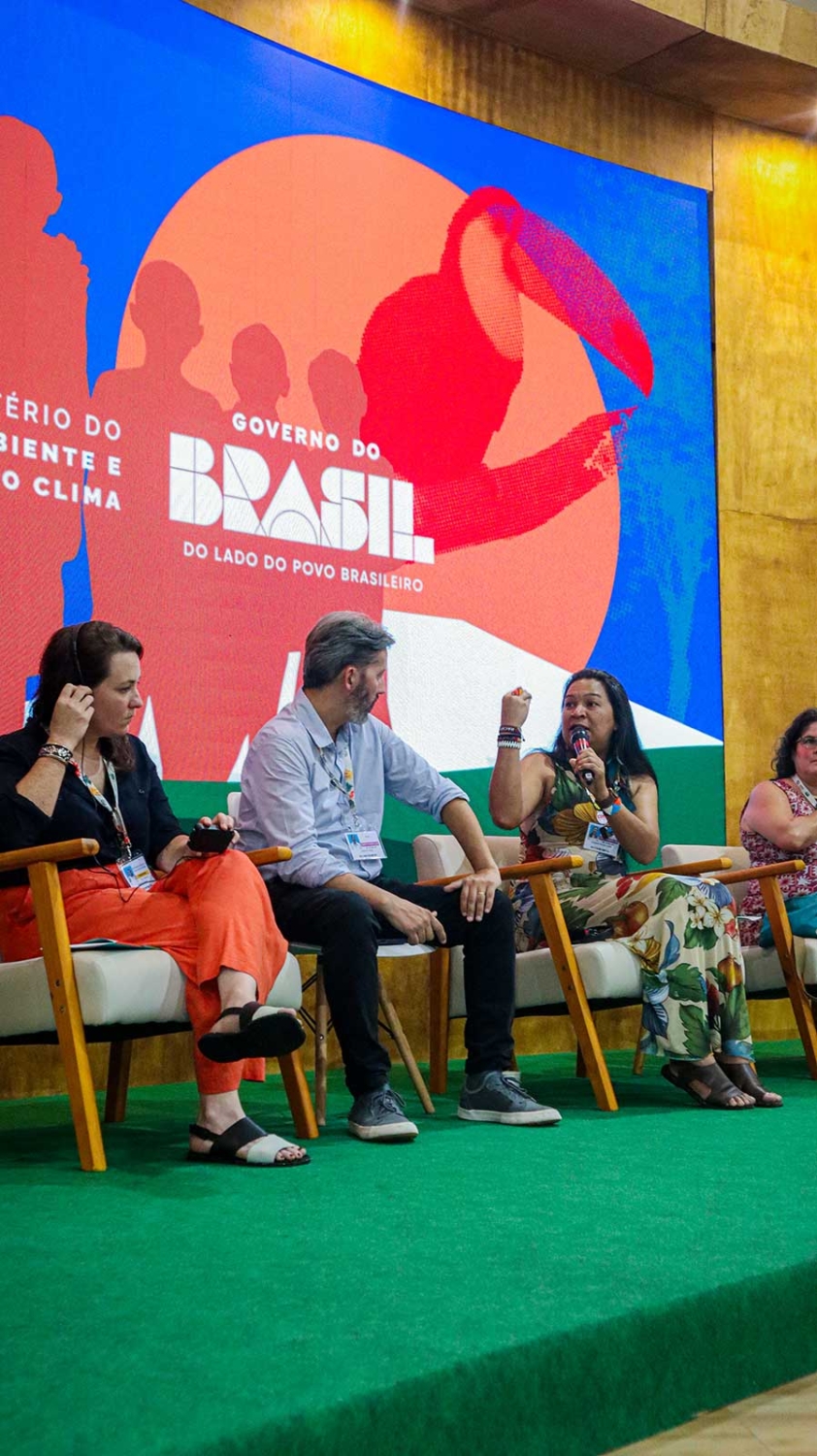
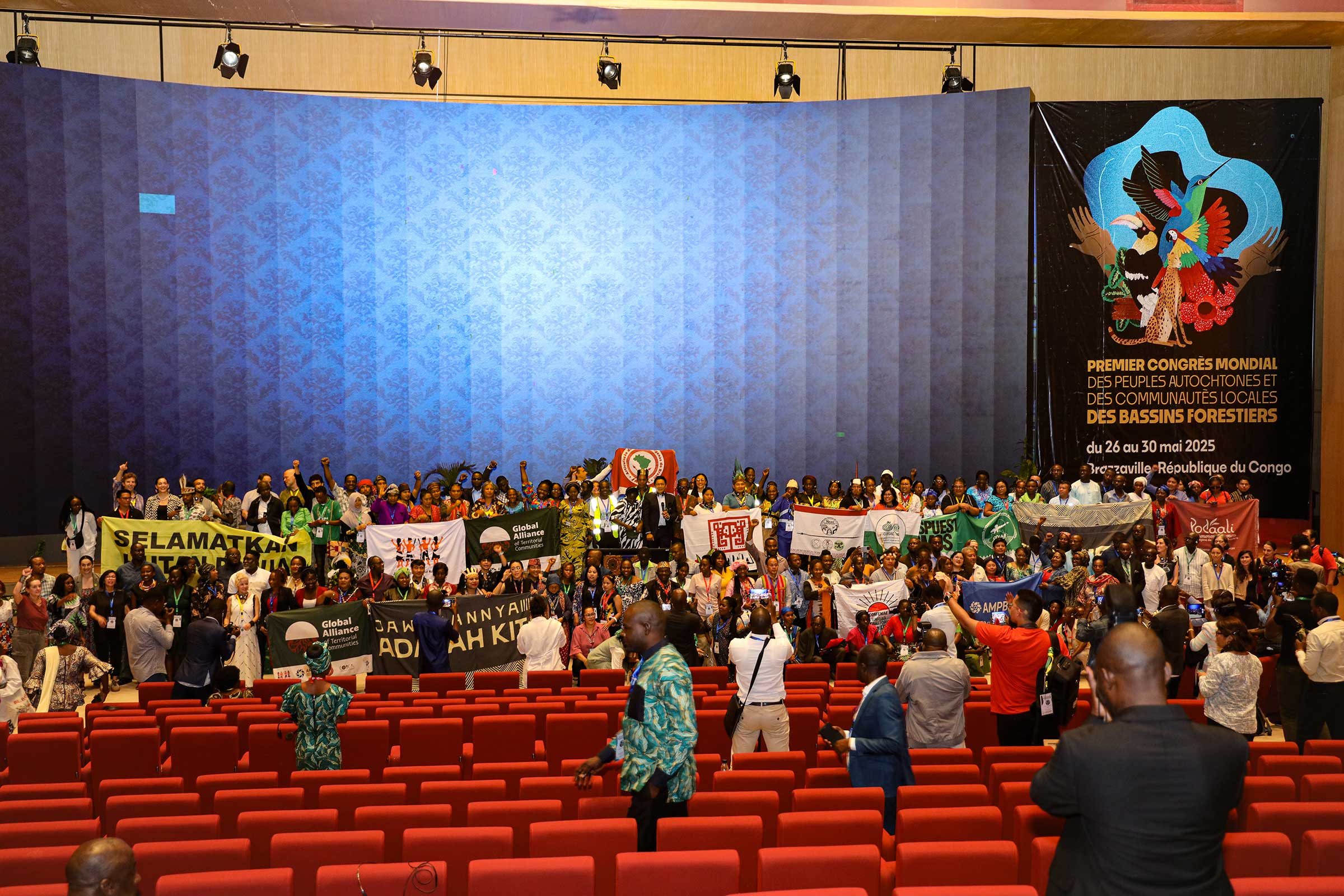
This year saw a myriad of achievements for effective participation, from the inclusion of afro descendant communities in the wording of the official agreements, to the creation of a local communities forum, the center of the negotiations is becoming more and more a place of action for communities. In parallel efforts, the inclusion of a steering committee in the creation of the TFFF is an effort to support participation that will hopefully continue to grow in engagement and power in the coming years, as is the inclusion of the indigenous NDCs in some countries. The Mutirao mechanism allowed the online and offline engagement of civil society across the world and some of their demands were heard and incorporated.
What is still missing
COP30 official negotiations continue to be a closed doors space where only States can have the right to a vote in the texts. With the possibility of mining States from individually blocking the agreements, this often means that real power lies in the hands of few, and participation efforts lack true impact.
How we will continue to advocate
The negotiations on the lead up, official boards and governance systems, and the official constituencies will continue to be spaces for pressure and positive engagement, where the answers coming from the territories will continue to break ground to be at the center of official responses to the climate crisis.
The Answer Is Us
Together, the peoples of the forests and the oceans, the cities and the rural areas, have brought the answers to COP30, lifted their voices at the negotiation tables and opened doors for powerful change. This is just the beginning, and we will continue to work for implementation, for transparency and for power. The Answer Is Us, all of us, including you.